SEC595: Applied Data Science and AI/Machine Learning for Cybersecurity Professionals
SEC595Cyber Defense, Artificial Intelligence


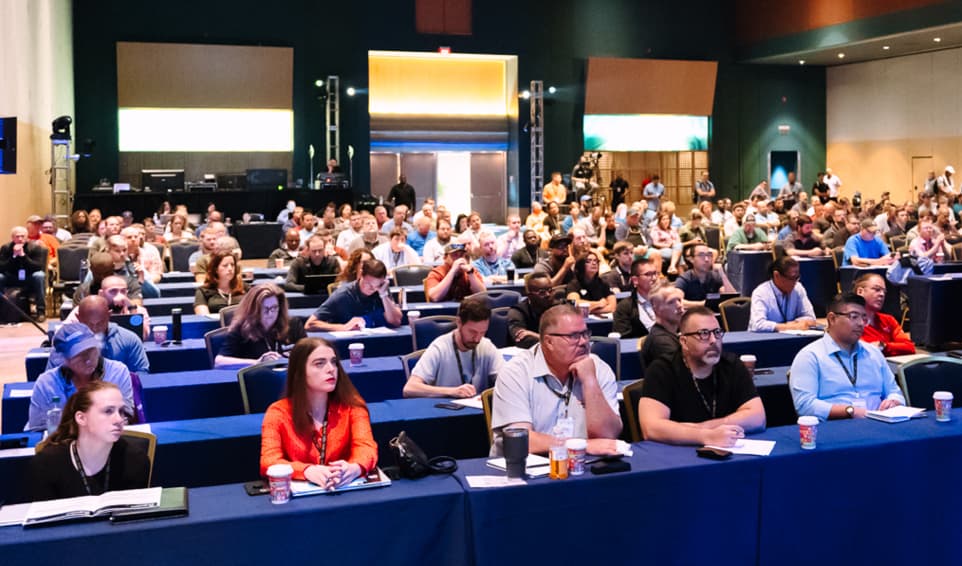
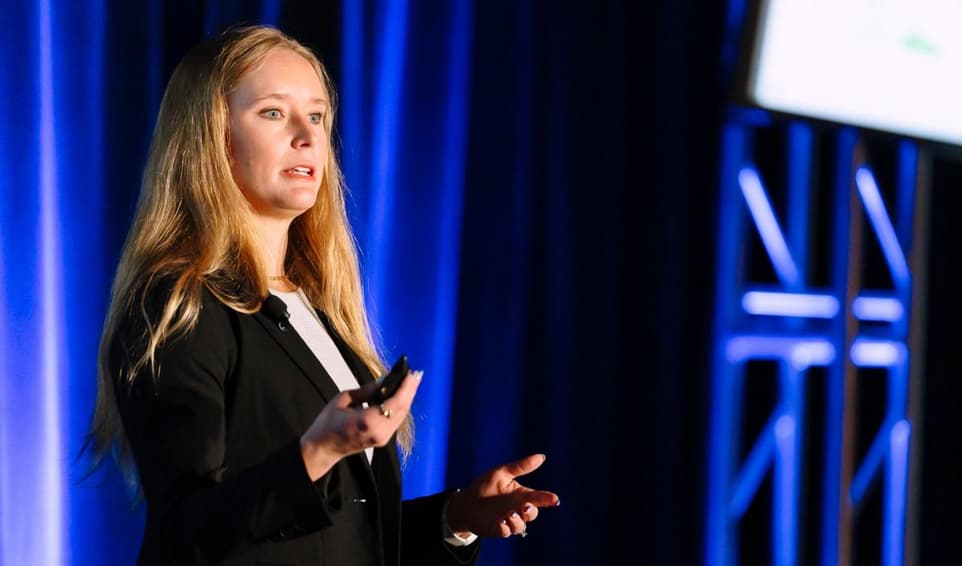
The industry's top practitioners will share their latest insights on analyzing risk, assessing threats, and building and leading teams. Learn how to turn obstacles into opportunities from leaders who’ve paved the way.
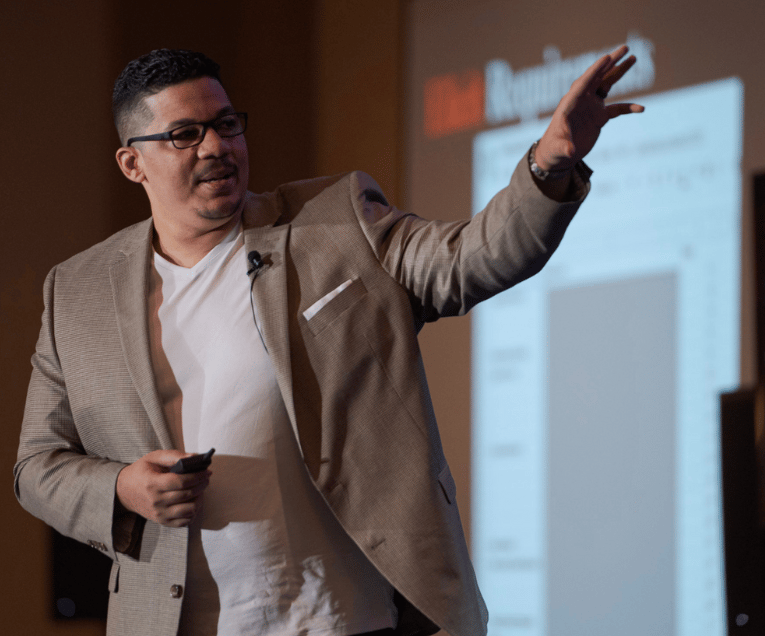
Engage in meaningful conversations with top CISOs, directors, and managers who are at the forefront of cybersecurity.

Summit @Night creates a relaxed and informal atmosphere that allows for open dialogue and the sharing of insights and experiences.

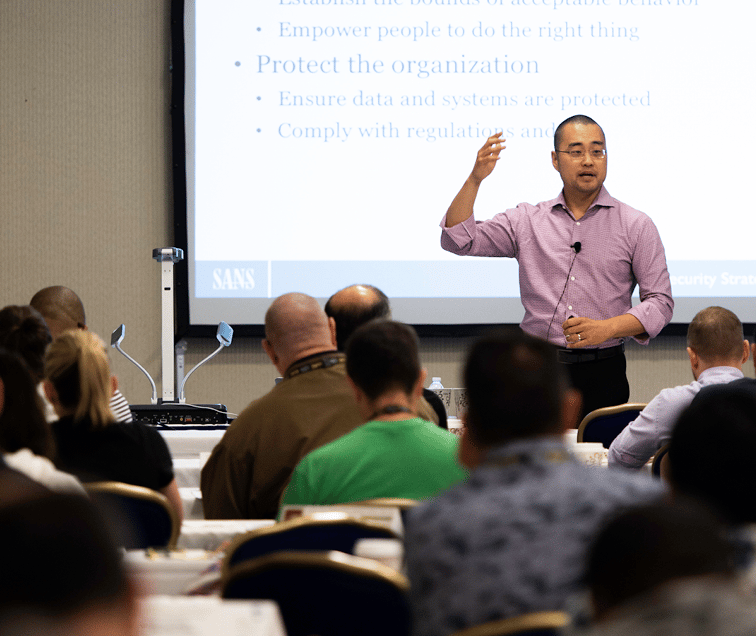
Enhance your knowledge base and add to your toolkit by bundling your Summit experience with a hands-on, immersive course taught by top SANS instructors and course authors.
A special discounted rate of $259.00 S/D plus applicable taxes will be honored based on space availability. The group rate is lower than the Government Per Diem rate.
This rate includes Internet in your room and is only available through Monday, February 23, 2026.
SANS attendees will receive a discounted parking rate of $20 per day. Parking is discounted to $30 per overnight with in-and-out privileges for attendees who book in the SANS room block.






Kick off the Summit with an evening of connection and conversation at The View on the 36th Floor. Mingle with speakers, attendees, and sponsors while enjoying skyline views, drinks, and light bites.
In today’s volatile threat landscape, defense-in-depth is not just a layered stack of tools—it’s a mindset. Rooted in Sun Tzu’s enduring principle, “Know thy enemy, but first know thyself,” this presentation guides CISOs through practical, actionable strategies that begin with understanding their organization from the inside out. Devon Bryan—5-time global CISO—will deliver a modern framework to help security leaders align internal visibility, asset prioritization, and cultural awareness with advanced threat modeling and adversarial behavior mapping.
Cybersecurity risk isn’t a side dish—it belongs at the head table of enterprise risk management. In this session, Ian Frist, Director of Governance, Risk and Compliance at Corning, explores how organizations can stop treating cyber risk as a siloed technical concern and start integrating it into their broader risk appetite framework.
As a CISO navigating emerging threats in 2026, the browser and social engineering represent two critical blind spots most organizations are missing. The browser is where nearly all work, data, and AI interactions now happen, yet it remains largely undefended. Social engineering has evolved far beyond phishing into sophisticated attacks powered by deepfakes, AI-generated voices, and hyper-personalized schemes that exploit trust at machine speed.
As security incidents grow faster, louder, and more complex, endurance alone is no longer a strategy—resilience is. Today’s leaders must create environments where teams can perform under constant pressure without sacrificing well-being or long-term effectiveness.
Remember when ChatGPT was going to revolutionize your security program overnight? Two years into production deployments, it's time for an honest conversation about what actually happened when LLMs met the reality of 24/7 security operations, application security and cyber threat intelligence.
As security budget growth lags behind broader IT and operational spending, CISOs are under greater pressure than ever to do more with less. Boards still view cybersecurity as a cost center rather than a driver of operational resilience or efficiency, making them even less inclined to approve large budgets. At the same time, the threat landscape is evolving beyond familiar foes like ransomware to include emerging risks such as AI misuse, third-party vulnerabilities, and quantum decryption security challenges. So how can CISOs make defensible, forward-looking budgeting decisions in an environment of tightening spend and expanding uncertainty?
The latest estimates from the Non-Human Identity Working group put the ratio of non-human identities to humans at 80:1. With increased pressure on CISOs to protect not only human threats, but now an exponentially increasing number of non-human threats, how can the CISO role, and the role of the evolving Chief Identity Officer (CiDO), increase security posture while moving at the speed of innovation and increased usage?
The reason organizations choose a particular CISO is fundamentally because they trust the CISO's judgement. A CISO draws from their experience, which includes domain, industry, managerial and leadership background, etc. which provides them with the intuition to manage an organization's cybersecurity program effectively. People refer to this intuition as an art, and it usually works. Unfortunately, when it fails, it can create a massive failure. Similarly, a large part of the success of a program depends upon the CISOs ability to sell the program to executives and the board of directors. This ability to sell is likewise considered an art.