Group Purchasing
Group Purchasing

SEC522: Application Security: Securing Web Applications, APIs, and Microservices

SEC522Cloud Security
  • 6 Days (Instructor-Led)
  • 36 Hours (Self-Paced)
Course authored by:
Jason LamDr. Johannes Ullrich
Jason Lam & Dr. Johannes Ullrich
SEC522: Application Security: Securing Web Applications, APIs, and Microservices
Course authored by:
Jason LamDr. Johannes Ullrich
Jason Lam & Dr. Johannes Ullrich
  • GIAC Certified Web Application Defender (GWEB)
  • 36 CPEs

    Apply your credits to renew your certifications

  • In-Person, Virtual or Self-Paced

    Attend a live, instructor-led class at a location near you or remotely, or train on your time over 4 months

  • Advanced Skill Level

    Course material is geared for cyber security professionals with hands-on experience

  • 21 Hands-On Lab(s)

    Apply what you learn with hands-on exercises and labs

Gain the skills you need to understand and mitigate vulnerabilities and secure web applications, APIs, and microservices.

Course Overview

SEC522 is a hands-on, advanced application security course that teaches security professionals to defend the HTTP-based technologies powering today's digital ecosystem. As HTTP forms the backbone of cloud services, APIs, microservices, and AI platforms, mastering web application security is essential for protecting modern infrastructure. Through 20 practical labs and a Defend-the-Flag challenge, participants gain skills to identify vulnerabilities, implement defenses, and secure the web protocols that underpin everything from traditional applications to cutting-edge AI services. The course prepares students for the GWEB certification while addressing OWASP Top 10 threats and emerging attack vectors against HTTP-based systems.

Important Course Update

Starting with SANS Cloud Security Exchange Summit & Training 2026 in San Francisco, CA, US, SEC522 will be streamlined as a 5-day course with tuition priced accordingly. Sessions scheduled before this event will continue in the current 6-day format. Content delivered on Day 6, including the Defending the Flag Capstone Exercise, will be incorporated into Day 5.

Not A Matter of "If" but "When" — Be Prepared For A Web Attack; We Will Teach You How

In today's interconnected world, HTTP isn't just about websites—it's the universal language enabling cloud computing, microservices, APIs, and AI platforms to communicate. Whether you're securing a traditional web application, protecting cloud-native services, or defending AI model endpoints, the fundamentals remain the same: HTTP-based protocols and their security implications.

SEC522 recognizes this critical reality and provides comprehensive training that goes beyond traditional web application security. As organizations migrate to cloud platforms, deploy microservices architectures, and integrate AI capabilities, they're all built on the same HTTP foundation. A vulnerability in these HTTP-based systems can compromise not just a single application, but entire cloud infrastructures, API ecosystems, and AI services.

Throughout SEC522, we demonstrate how HTTP security principles apply across the technology stack. From traditional web applications to RESTful APIs, from GraphQL endpoints to AI model serving platforms—all rely on HTTP. Students learn to recognize attack patterns that span these technologies and implement defensive strategies that protect the entire HTTP-based ecosystem.

The skills taught in SEC522 have immediate real-world application. As AI platforms expose inference endpoints via HTTP APIs, as cloud services communicate through REST interfaces, and as microservices orchestrate via HTTP calls, the security principles you'll master become increasingly critical. You'll learn to identify vulnerabilities early in development, communicate risks effectively, and implement security controls that protect modern architectures.

Hands-On Cloud Application Security Training

The lab environment offers a realistic application setting where students can explore attacks and see the impact of defensive mechanisms. Structured as challenges with helpful hints, the hands-on labs provide practical experience that students can apply immediately when they return to work. 20 labs across Sections 1 to 5 culminate in an exciting 3-4 hour competitive Defend the Flag Capstone. This final challenge allows participants to put their skills to the test in a dedicated, immersive exercise.

  • Section 1: HTTP Basics, HTTP/2 traffic inspection and spoofing, Environment isolation, SSRF and credential-stealing
  • Section 2: SQL Injection, Cross Site Request Forgery, Cross Site Scripting, Unicode and File Upload
  • Section 3: Authentication vulnerabilities and defense, Multifactor authentication, Session vulnerabilities and testing, Authorization vulnerabilities and defense, SSL vulnerabilities and testing, Proper encryption use in web application
  • Section 4: WSDL enumerations, Cross Domain AJAX, Front End Features and CSP (Content Security Policy), Clickjacking
  • Section 5: Deserialization and DNS rebinding, GraphQL, API security deep dives and JSON
  • Section 6: Defending the Flag capstone exercise

Author Statement

"Too many organizations are getting compromised through their HTTP-based applications—websites, APIs, and AI endpoints alike. The goal of SEC522 is to arm students with real-world defensive strategies that work across all these platforms. You can apply these techniques immediately, regardless of your role in protecting these exposed assets. We all know it is very difficult to defend HTTP-based applications because there are so many different types of vulnerabilities and attack channels. Overlook one thing and your application is owned. The defensive perimeter needs to extend far beyond just coding—it must cover the entire HTTP stack from traditional web servers to modern microservices and AI platforms. This course covers many security vulnerabilities so students understand the problems at hand. We then provide defensive strategies and tricks, as well as the overall architecture proven to help secure sites. We have included case studies throughout the course so we can learn from others' mistakes and strengthen our defense. The exercises are designed to help you retain this knowledge through hands-on practice. By the end of the course, you will have the practical skills and understanding to lock down existing applications and build more secure applications in the future—whether they're traditional web apps, APIs, or emerging AI services.”

- Jason Lam and Johannes Ullrich

What You’ll Learn

  • Defend against OWASP Top 10 attacks and input-related vulnerabilities like SQL injection, XSS, and CSRF
  • Enhance infrastructure security and configuration management for robust protection
  • Securely integrate cloud components, microservices, and AI tools into modern applications
  • Strengthen authentication and authorization with OAuth, SAML, SSO, and password-less mechanisms
  • Improve web security using protective HTTP headers and cross-domain request controls
  • Protect SOAP, REST, and GraphQL APIs from emerging threats

Business Takeaways

  • Comply with PCI DSS and other compliance requirements
  • Reduce the overall application security risks, and protect company reputation
  • Adopt the "shifting left" mindset: Address security issues early and quickly, reducing cost
  • Adopt modern apps with API and microservices in a secure manner
  • This course prepares students for the GWEB certification

Course Syllabus

Explore the course syllabus below to view the full range of topics covered in SEC522: Application Security: Securing Web Applications, APIs, and Microservices.

Section 1Web Fundamentals and Secure Configurations

The course begins with web application fundamentals, including the HTTP protocol and architecture, which are essential for security. It then covers securing configurations in modern development, focusing on Infrastructure as Code. It also explores best practices for managing infrastructure, cloud, and web-server configurations to enhance security.

Topics covered

  • Introduction to HTTP protocol
  • Overview of web authentication
  • Web application architecture
  • Recent attack trends
  • Web security & firewalls

Labs

  • HTTP basics
  • HTTP/2 traffic inspection and spoofing
  • Environment isolation
  • SSRF and credential-stealing

Overview

The first section of the course will set the stage with the fundamentals of web applications, such as the HTTP protocol and the various mechanisms that make web applications work. We then transition to the architecture of web applications, which plays a big role in their security.

As automation becomes a critical element of the development process, infrastructure and development components are built and maintained through configuration files ("Infrastructure as Code"). The management of these configurations is crucial to application security. We cover the best-practice processes and key aspects of securing web-application-related configurations, from infrastructure to cloud environments and web-server-level configurations. This will help you protect your configurations and related supporting environments for web applications.

Full Topic Details

  • Introduction to HTTP protocol (including HTTP/1.1, HTTP/2, HTTP/3)
  • Overview of web authentication technologies
  • Web application architecture
  • Recent attack trends
  • Web infrastructure security / web application firewalls
  • Managing configurations for web apps

Section 2Input-Related Defenses

Section 2 focuses on defending against threats from external input, which modern applications receive from various sources, including browsers, web services, and non-web-standard systems. It covers common input-related attacks, real-world examples, and defense patterns.

Topics covered

  • Web application vulnerabilities
  • SQL injection
  • Cross-site Request Forgery
  • Unicode and file upload handling
  • Business logic and concurrency

Labs

  • SQL injection
  • Cross Site Request Forgery
  • Cross Site Scripting
  • Unicode and file upload

Overview

Section two is devoted to protecting against threats arising from external input. Modern applications have to accept input from multiple sources, such as other applications, browsers, web services or other systems not built around web standards. We cover the basic mechanics of common input-related attacks followed by real-world examples and defense patterns that work in large applications. Input-related flaws take up multiple places in the OWASP Top 10 list. The coverage of these input related topics forms an essential defensive foundation against these common risks. This section closes with a discussion of flaws related to business logic and concurrency. The discussion of business logic flaws uses a number of real-world examples to illustrate the dangers of improperly expressing business logic as code. It emphasizes the need to include security considerations in the design and requirements phase of development.

Full Topic Details

  • Input-related vulnerabilities in web applications
  • SQL injection
  • Cross-Site Request Forgery
  • Cross-Site Scripting vulnerability and defenses
  • Unicode handling strategy
  • File upload handling
  • Business logic and concurrency

Section 3Authentication and Authorization

Section 3 covers authentication and authorization in web apps, including exploits and mitigations. It explores passwordless and multifactor authentication, modern SSO solutions like OAuth, JWT, and OpenID Connect, and their challenges. The section concludes with encryption best practices for data in transit and storage.

Topics covered

  • Authentication vulnerabilities
  • Multifactor authentication
  • Session vulnerabilities and testing
  • Authorization and SSL vulnerabilities
  • Encryption for web applications

Labs

  • Authentication
  • Session fixation
  • OAuth and access control
  • Inspecting SSL traffic with wireshark

Overview

This section starts with a discussion of authentication and authorization in web applications, followed by examples of exploitation and the mitigations that can be implemented in the short and long term. Considering the trend away from reliance on passwords for authentication, we cover the modern patterns of passwordless authentication and multifactor authentication.

Another topic is the new generation of single-sign-on solutions such as OAuth and related technologies such as JWT and OpenID Connect. We cover the implications of using these authentication/authorization systems and the common "gotchas" to avoid.

We end the section with an in-depth discussion on encryption usage in modern applications, both from data-in-transit and data-in-storage protection perspectives.

Full Topic Details

  • Authentication vulnerabilities and defense
  • Multifactor authentication
  • Session vulnerabilities and testing
  • Authorization vulnerabilities and defense
  • SSL vulnerabilities and testing
  • Proper encryption use in web application

Section 4Web Services and Front-End Security

This section begins with SOAP-based web services before shifting to JavaScript’s front-end security concerns, including CORS. It covers security risks, mitigation strategies, and best practices for AJAX applications. The section concludes with client-side defenses like Content Security Policy, exploring both benefits and limitations.

Topics covered

  • Web services overview
  • XML security
  • AJAX attack trends
  • Modern JavaScript frameworks
  • Browser features and defense

Labs

  • WSDL enumerations
  • Cross domain AJAX
  • Front end security features and CSP
  • Clickjacking

Overview

In this section, we start by covering concepts related to Web services, initially focusing on SOAP-based web services. Later, we pivot our focus to the front-end usage of JavaScript with related security implications such as CORS (Cross Domain Requests). We will cover security issues, mitigation strategies, and general best practices for implementing AJAX-based Web applications. We will also examine real-world attacks and trends to give you a better understanding of exactly what you are protecting against. We end the day with multiple client-side, header-based defense mechanisms such as Content Security Policy to help you further secure your applications. We go in depth into how these headers can heighten the security level of an application, but we will also look at the potential downfalls of these mechanisms.

Full Topic Details

  • Web services overview
  • XML security
  • AJAX attack trends and defenses
  • Modern JavaScript Frameworks
  • Browser features and defenses
  • Browser-based defense such as Content Security Policy

Section 5APIs and Microservices Security

This section covers deserialization security, DNS rebinding, and security risks in REST and GraphQL APIs. It explores microservices architecture, common attacks, and best practices. The day concludes with a discussion on securely integrating AI components into modern applications.

Topics covered

  • Deserialization
  • REST and Graph QL security
  • Microservices and AI security
  • Security testing
  • Logging and error handling

Labs

  • Deserialization and DNS Rebinding
  • GraphQL
  • API gateways and JSON
  • SRI and log review

Overview

The section starts by covering the topic of deserialization security issues, which are quickly rising to be a common attack against modern applications. We also cover the topic of DNS rebinding which has lingered in the application world since the beginning of web applications. The focus then shifts to REST API and GraphQL-based Web services and APIs, covering where these technologies exist in every modern application and have lots of potential security pitfalls. We then extend the discussion to modern microservices architecture and its security implications. Across all these technology topics we cover the common attacks and the current best practices to keep them secure. The day ends with a discussion on integrating AI components into modern applications in a secure fashion.

Full Topic Details

  • Deserialization
  • REST security
  • GraphQL security
  • Microservices
  • AI security
  • Security testing
  • Logging and error handling

Section 6DevSecOps and Defending the Flag

This section introduces DevSecOps in enterprise web development. A hands-on lab reinforces course lessons, challenging students to identify real vs. false vulnerabilities and apply mitigations. Exercises cover securing the OS, web server, configurations, and fixing coding flaws.

Topics covered

  • DevSecOps

Labs

  • Defending the Flag Capstone Exercise

Note: Starting with SANS Cloud Security Exchange Summit & Training 2026, Day 6 content will be incorporated into Day 5. Sessions scheduled before this event will continue to include Day 6.

Things You Need To Know

Important! Bring your own system configured according to these instructions.

A properly configured system is required to fully participate in this course. If you do not carefully read and follow these instructions, you will not be able to fully participate in hands-on exercises in your course. Therefore, please arrive with a system meeting all of the specified requirements.

Back up your system before class. Better yet, use a system without any sensitive/critical data. SANS is not responsible for your system or data.

Mandatory System Hardware Requirements

  • CPU: 64-bit Intel i5/i7 (8th generation or newer), or AMD equivalent. A x64 bit, 2.0+ GHz or newer processor is mandatory for this class.
  • CRITICAL: Apple Silicon devices cannot perform the necessary virtualization and therefore cannot in any way be used for this course.
  • BIOS settings must be set to enable virtualization technology, such as "Intel-VTx" or "AMD-V" extensions. Be absolutely certain you can access your BIOS if it is password protected, in case changes are necessary.
  • 8GB of RAM or more is required.
  • 60GB of free storage space or more is required.
  • At least one available USB 3.0 Type-A port. A Type-C to Type-A adapter may be necessary for newer laptops. Some endpoint protection software prevents the use of USB devices, so test your system with a USB drive before class.
  • Wireless networking (802.11 standard) is required. There is no wired Internet access in the classroom.

Mandatory Host Configuration And Software Requirements

  • Your host operating system must be the latest version of Windows 10, Windows 11, or macOS 10.15.x or newer.
  • Fully update your host operating system prior to the class to ensure you have the right drivers and patches installed.
  • Linux hosts are not supported in the classroom due to their numerous variations. If you choose to use Linux as your host, you are solely responsible for configuring it to work with the course materials and/or VMs.
  • Local Administrator Access is required. (Yes, this is absolutely required. Don't let your IT team tell you otherwise.) If your company will not permit this access for the duration of the course, then you should make arrangements to bring a different laptop.
  • You should ensure that antivirus or endpoint protection software is disabled, fully removed, or that you have the administrative privileges to do so. Many of our courses require full administrative access to the operating system and these products can prevent you from accomplishing the labs.
  • Any filtering of egress traffic may prevent accomplishing the labs in your course. Firewalls should be disabled or you must have the administrative privileges to disable it.
  • Download and install VMware Workstation Pro 16.2.X+ or VMware Player 16.2.X+ (for Windows 10 hosts), VMware Workstation Pro 17.0.0+ or VMware Player 17.0.0+ (for Windows 11 hosts), or VMWare Fusion Pro 12.2+ or VMware Fusion Player 11.5+ (for macOS hosts) prior to class beginning. If you do not own a licensed copy of VMware Workstation Pro or VMware Fusion Pro, you can download a free 30-day trial copy from VMware. VMware will send you a time-limited serial number if you register for the trial at their website. Also note that VMware Workstation Player offers fewer features than VMware Workstation Pro. For those with Windows host systems, Workstation Pro is recommended for a more seamless student experience.
  • On Windows hosts, VMware products might not coexist with the Hyper-V hypervisor. For the best experience, ensure VMware can boot a virtual machine. This may require disabling Hyper-V. Instructions for disabling Hyper-V, Device Guard, and Credential Guard are contained in the setup documentation that accompanies your course materials.
  • Download and install 7-Zip (for Windows Hosts) or Keka (for macOS hosts). These tools are also included in your downloaded course materials.

Your course media is delivered via download. The media files for class can be large. Many are in the 40-50GB range, with some over 100GB. You need to allow plenty of time for the download to complete. Internet connections and speed vary greatly and are dependent on many different factors. Therefore, it is not possible to give an estimate of the length of time it will take to download your materials. Please start your course media downloads as soon as you get the link. You will need your course media immediately on the first day of class. Do not wait until the night before class to start downloading these files.

Your course materials include a "Setup Instructions" document that details important steps you must take before you travel to a live class event or start an online class. It may take 30 minutes or more to complete these instructions.

Your class uses an electronic workbook for its lab instructions. In this new environment, a second monitor and/or a tablet device can be useful for keeping class materials visible while you are working on your course's labs.

If you have additional questions about the laptop specifications, please contact customer service.

SEC522 training is recommended for a diverse range of individuals, including:

  • Application security analysts or managers
  • Application architects
  • Penetration testers who are interested in learning about defensive strategies
  • Security professionals who are interested in learning about web application security
  • Auditors who need to understand defensive mechanisms in web applications
  • Employees of PCI-compliant organizations who need to be trained to comply with PCI requirements
  • Technical managers of software development teams and organizations
  • Managers of Bug Bounty programs

The GIAC Web Application Defender (GWEB) certification allows candidates to demonstrate mastery of the security knowledge and skills needed to deal with common web application errors that lead to most security problems. The successful candidate will have hands-on experience using current tools to detect and prevent input validation flaws, cross-site scripting (XSS), and SQL injection as well as an in-depth understanding of authentication, access control, and session management, their weaknesses, and how they are best defended. GWEB candidates have the knowledge, skills, and abilities to secure web applications and recognize and mitigate security weaknesses in existing web applications.

  • Access Control, AJAX Technologies and Security Strategies, Security Testing, and Authentication
  • Cross Origin Policy Attacks and Mitigation, CSRF, and Encryption and Protecting Sensitive Data
  • File Upload, Response Readiness, Proactive Defense, Input Related Flaws and Input Validation
  • Modern Application Framework Issues and Serialization, Session Security & Business Logic, Web
  • Application and HTTP Basics, Web Architecture, Configuration, and Security

More Certification Details

  • Printed and electronic courseware
  • Exercise workbook with over 100 pages of detailed step-by-step instructions
  • A virtual machine with Linux operating system and multiple container environments simulating various vulnerable conditions for students to explore during class exercise
  • A poster containing the summary of the most crucial defensive techniques covered in the course in a checklist format which can be used as a baseline Web defensive framework/standard for your organization.
  • MP3 audio files of the complete course lecture

This class requires a basic understanding of web application technology and concepts such as HTML and JavaScript. To maximize the benefit for a wider range of audiences, the discussions in this course will be programming-language-agnostic. Attendees should have some understanding of concepts like databases (SQL) and scripting languages used in modern web applications.

SEC522: Application Security: Securing Web Applications, APIs, and Microservices is part of the Cloud Security Engineer Journey within the Cloud Security curriculum, focusing on defending the application layer in cloud-native environments. Alongside SEC510: Cloud Security Controls and Mitigations and SEC540: Cloud Native Security and DevSecOps Automation, it forms a flexible, hands-on path for engineers to build deep, end-to-end expertise in securing infrastructure, code, and cloud workloads—empowering them to become adaptable defenders in today’s dynamic threat landscape.

Application security protects web applications and APIs from a variety of current cyber threats. It identifies and mitigates vulnerabilities. Key strategies include implementing a secure architecture, employing secure coding practices, protecting against attacks like SQL injection and cross-site scripting (XSS), and implementing proper access controls.

Application security is crucial because cyber threats are constantly evolving, and applications are a prime target for hackers. Vulnerabilities like SQL injection, cross-site scripting (XSS), and broken authentication can lead to data breaches, financial loss, and reputational damage. Strong security measures help prevent unauthorized access, protect sensitive user data, and ensure compliance with industry regulations.

Embedding security early in the development process reduces risk and maintains data integrity. Organizations must adopt proactive security strategies, such as regular vulnerability assessments, penetration testing, and the use of security frameworks, to minimize risks and maintain trust with users. A secure application safeguards both business assets and customer information.

SEC522: Application Security: Securing Web Apps, APIs, and Microservices gives you in-depth knowledge and hands-on skills to protect modern web applications, APIs, and microservices architectures. As businesses increasingly rely on cloud-based applications and microservices, securing these environments has become critical.

This course teaches you how to identify vulnerabilities, apply security best practices, and prevent common attacks like SQL injection, cross-site scripting, and API security risks.

In SEC522, you will learn to secure the software development lifecycle (SDLC), implement secure authentication and authorization mechanisms, and address complex security challenges in distributed systems. This expertise positions you as a valuable asset to organizations, boosting your career prospects in cybersecurity roles such as application security specialist, security engineer, or architect.

Starting with SANS Cloud Security Exchange Summit & Training 2026 in San Francisco, CA, US, SEC522 will be streamlined as a 5-day course. All sessions before this event will continue in the current 6-day format. Content previously delivered on Day 6, including the Defending the Flag Capstone Exercise, will be incorporated into Day 5, with tuition priced accordingly. The course page will be updated with the new 5-day syllabus following the final 6-day session at SANS Live Online Europe July 2026.
Relevant Job Roles

Cybersecurity Research & Development

SCyWF: Cybersecurity Architecture, Research And Development

This role conducts conducts cybersecurity research and development. Find the SANS courses that map to the Cybersecurity Research & Development SCyWF Work Role.

Explore learning path

Cloud Security Engineer Training, Salary, and Career Path

Cloud Security

Cloud Security Engineers integrate advanced security measures into cloud and cloud-native environments, maximize security automation within DevOps workflows, and proactively mitigate threats to safeguard modern cloud infrastructures.

Explore learning path

Technology Research and Development (OPM 661)

NICE: Design and Development

Responsible for conducting software and systems engineering and software systems research to develop new capabilities with fully integrated cybersecurity. Conducts comprehensive technology research to evaluate potential vulnerabilities in cyberspace systems.

Explore learning path

Defense

SCyWF: Protection And Defense

This role uses monitoring and analysis tools to identify and analyze events and to detect incidents. Find the SANS courses that map to the Defense SCyWF Work Role.

Explore learning path

Software Security Assessment (OPM 622)

NICE: Design and Development

Responsible for analyzing the security of new or existing computer applications, software, or specialized utility programs and delivering actionable results.

Explore learning path

Secure Systems Development (OPM 631)

NICE: Design and Development

Responsible for the secure design, development, and testing of systems and the evaluation of system security throughout the systems development life cycle.

Explore learning path

Application Pen Tester

Offensive Operations

Application penetration testers probe the security integrity of a company’s applications and defenses by evaluating the attack surface of all in-scope vulnerable web-based services, clientside applications, servers-side processes, and more. Mimicking a malicious attacker, app pen testers work to bypass security barriers in order to gain access to sensitive information or enter a company’s internal systems through techniques such as pivoting or lateral movement.

Explore learning path

Secure Software Development (OPM 621)

NICE: Design and Development

Responsible for developing, creating, modifying, and maintaining computer applications, software, or specialized utility programs.

Explore learning path

Course Schedule and Pricing

Have Questions?Contact Us
  • Location & instructor

    Virtual (OnDemand)

    Instructed by
    Date & Time
    OnDemand (Anytime)Self-Paced, 4 months access
    Course price
    $8,780 USD*Prices exclude applicable local taxes
    Registration Options
  • Location & instructor

    SANS Network Security 2026

    Las Vegas, NV, US & Virtual (live)

    Instructed by
    Date & Time
    Fetching schedule..
    Course price
    $8,260 USD*Prices exclude applicable local taxes
    Registration Options
  • Location & instructor

    SANS Amsterdam November 2026

    Amsterdam, NL & Virtual (live)

    Instructed by
    Date & Time
    Fetching schedule..
    Course price
    €7,715 EUR*Prices exclude applicable local taxes
    Registration Options
  • Location & instructor

    SANS Cyber Defense Initiative 2026

    Washington, DC, US & Virtual (live)

    Instructed by
    Date & Time
    Fetching schedule..
    Course price
    $8,260 USD*Prices exclude applicable local taxes
    Registration Options
  • Location & instructor

    SANS 2027

    Orlando, FL, US & Virtual (live)

    Date & Time
    Fetching schedule..
    Course price
    $8,260 USD*Prices exclude applicable local taxes
    Registration Options
  • Location & instructor

    SANS Amsterdam April 2027

    Amsterdam, NL & Virtual (live)

    Date & Time
    Fetching schedule..
    Course price
    €7,715 EUR*Prices exclude applicable local taxes
    Registration Options
  • Location & instructor

    SANS Baltimore 2027

    Baltimore, MD, US & Virtual (live)

    Date & Time
    Fetching schedule..
    Course price
    $8,260 USD*Prices exclude applicable local taxes
    Registration Options
  • Location & instructor

    SANSFIRE 2027

    Washington, DC, US & Virtual (live)

    Date & Time
    Fetching schedule..
    Course price
    $8,260 USD*Prices exclude applicable local taxes
    Registration Options
Showing 8 of 8

Benefits of Learning with SANS

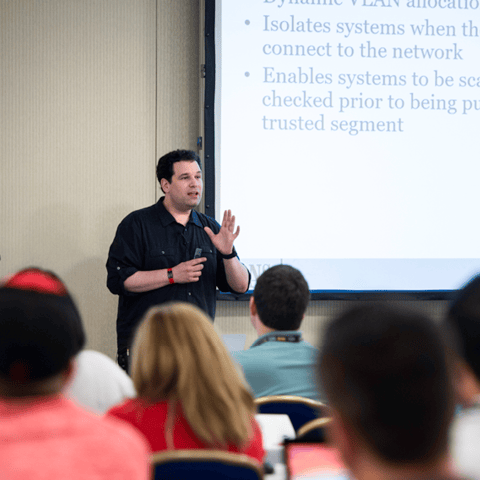
Bryan Simon: Teacher Standing Next to Smartboard and Explaining Concept

Get feedback from the world’s best cybersecurity experts and instructors
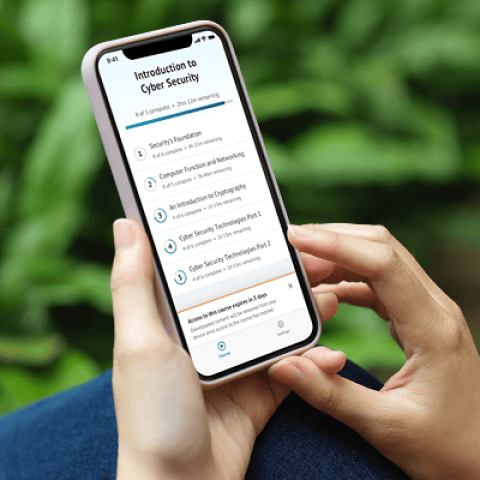
OnDemand Mobile App

Choose how you want to learn - online, on demand, or at our live in-person training events

Close Up of Woman Holding a Pen and Documents

Get access to our range of industry-leading courses and resources