Group Purchasing
Group Purchasing

SEC275: Foundations: Computers, Technology, & Security

SEC275Cyber Defense
  • 38 Hours (Self-Paced)
Course authored by:
James LyneRich Greene
James Lyne & Rich Greene
SEC406: Linux Security for InfoSec Professionals
Course authored by:
James LyneRich Greene
James Lyne & Rich Greene
  • GIAC Foundational Cybersecurity Technologies (GFACT)
  • 38 CPEs

    Apply your credits to renew your certifications

  • Self-paced

    Train at your own pace from wherever you are

  • Beginner Level

    Course content applicable to people with limited or no cyber security experience

  • 90 Hands-On Lab(s)

    Apply what you learn with hands-on exercises and labs

Build your cybersecurity confidence from the ground up. This SANS Foundations course gives you the essential skills, tools, and mindset to launch your journey into the world of cyber.

Course Overview

SANS Foundations is the perfect starting point for anyone new to cybersecurity or looking to build a solid technical base. Designed with beginners in mind, this cybersecurity foundations course covers essential concepts like operating systems, networking, security principles, and hands-on skills with tools used by professionals in the field. Whether you're exploring a new career, supporting security teams, or preparing for advanced training, SEC275 provides the critical knowledge needed to understand and engage with cybersecurity. With engaging content, practical labs, and expert instruction, you’ll gain the confidence and capability to take your next step in the cyber world. No prior experience required just curiosity and a drive to learn. Preview the course for free.

Master The Fundamentals Of Cybersecurity

SANS Foundations is the most comprehensive, certified introductory cybersecurity course on the market. It supports your early steps into the industry by enabling you to master the fundamental knowledge and demonstrate the practical skills you need to prove you are ready for that first job in cybersecurity.

SANS instructors developed SANS Foundations to help you learn in a way that works best for you. Our engaging, high-definition video lectures are supported by audio recordings, hands-on labs, and exercises, ensuring every student graduates with real-world, practical skills.

The course covers the foundations of cybersecurity in 13 modules:

  • Computer components and concepts
  • Linux
  • The Web
  • Networking Fundamentals
  • Servers and Services
  • Practical Programming and Concepts
  • SQL
  • Windows Foundations
  • Advanced Computer Hardware
  • Assembly
  • Security concepts
  • Offensive Security Concepts
  • Network and Computer infiltration

Upon completion, you will be able to demonstrate programming skills in Python and C, understand the fundamentals of networking, encryption, and Linux, and you will have covered all the core elements of Operating systems, the Web and Security concepts.

Author Statement

The cybersecurity landscape is changing rapidly and constantly evolving. There are new threats emerging daily, new attackers using novel techniques, and worryingly, a growing shortage of global talent.

Before running to the exciting worlds of application security, reverse malware engineering or threat hunting, every cybersecurity professional needs to have an excellent grounding in essential computing and technology skills. These will be used every day in your career and serve as a baseline for your development and future career.

SANS Foundations is the most comprehensive, certified introductory cybersecurity course on the market. We wanted to make this course as accessible as possible, to eradicate as many potential hurdles stopping people getting into the field. We've specifically designed the course to require minimal equipment or technology proficiency - you do not need any prior specific education, just a keen interest.

Whether you are still in full-time education, a career changer or on an immersive training program, SANS Foundations will provide you with the core IT and computer knowledge integral to a future career in cybersecurity.”

– James Lyne

“Cybersecurity can feel overwhelming at the start. New tools, new threats, and a lot of assumed knowledge before you ever touch a keyboard.

SANS Foundations exists to change that.

This is a technical introductory course, not a computer science degree and not an advanced deep dive into specialties like threat hunting or reverse engineering. Instead, it introduces the essential computing, networking, operating system, and security concepts that various cybersecurity professionals rely on every day.

The goal is confidence, not mastery. Confidence to understand what is happening under the hood, to ask better questions, and to take your next steps with clarity instead of guesswork.

You do not need prior technical training or specialized equipment. Just curiosity and a willingness to learn how systems actually work. Whether you are a student, a career changer, or exploring cybersecurity for the first time, this course gives you the foundation to move forward with purpose.”

– Rich Greene

What You’ll Learn

  • Understand hardware, memory concepts, and virtualization (including containers and their pros/cons)
  • Know core networking concepts, server types, and protocols
  • Be familiar with Linux and Windows CLI commands, permissions, and access control
  • Recognize exploit methods, attack stages, and common attacker tools
  • Understand cryptography concepts and ethical/legal concerns in hacking
  • Know basic forensic tools, file systems, web tech, and cloud models
  • Grasp programming syntax, logical operations, and common code errors

Business Takeaways

  • Reduce the risk of cybersecurity knowledge gaps within your organization
  • Reduce costs of hiring externally by discovering latent talent within your current IT team
  • Improve new-starter success on advanced courses by covering the foundations first
  • Enable business growth through training all technical employees to the highest standard
  • Validate your training investment with your employees passing the GFACT certification
  • Design effective onboarding frameworks for your employees knowing the foundations of cybersecurity are covered

Course Syllabus

Explore the course syllabus below to view the full range of topics covered in SEC275: Foundations: Computers, Technology, & Security.

Section 1SEC275: SANS Foundations

Thirteen self-paced online modules comprise SEC275: Foundations: Computers, Technology and Security™, covering a range of cybersecurity topics such as Linux, networking fundamentals, programming, servers, SQL, Windows, and more.

Topics covered

  • Linux
  • The Web
  • Networking Fundamentals
  • Practical Programming
  • Security Concepts

Labs

  • 80+ Embedded Labs

Overview

The syllabus is expertly curated to progressively take students from no technical, or security knowledge, to a level where they are speaking the same language as industry professionals.

Full Topic Details

  • Introduction: An introduction to the SANS Foundations course and training platform.
  • Computer Components and Concepts: This module focuses on the different components of a computer, what they do, and how they work together. It covers topics such as computer hardware, data storage and representation, logic and data manipulation, storing data and files, cloud computing, operating systems, and virtualization.
  • Linux: This module introduces students to Linux, including the Linux environment, navigation, commands, and architecture. Topics include installing Linux, navigation and structure, permissions, and commands like grep, cp, and more. It’s lab-rich, allowing students to practice skills hands on.
  • The Web: This module covers the fundamentals of how search engines work, effective search techniques, web servers, HTML, and cookies.
  • Networking Fundamentals: Students learn core networking concepts, including networking components and hardware, packets, network addresses, TCP and UDP protocols, subnetting, and email.
  • Servers and Services: This module covers different server types, such as web, database, DNS, log, and email servers, including basic setup and installation. It also explores cloud computing, configuration, and hardening basics.
  • Practical Programming and Concepts: This module covers programming fundamentals and hands-on exercises in Python and C, with labs on topics like variables, user input, file handling, TCP sockets, and more.
  • SQL: This module introduces SQL basics, including statements, joins, operators, and database administration, laying groundwork for offensive security concepts later in the course.
  • Windows Foundations: Covers essential Windows CLI commands, permissions, file systems, architecture, networking, and PowerShell. Students learn setup, configuration, logging, registry, user accounts, and more.
  • Advanced Computer Hardware: Delving into how CPU and RAM functions, and covering advanced storage (e.g., RAID, cloud storage).
  • Assembly: An introduction to basic assembly, debugging, and reverse engineering using GDB.
  • Security Concepts: Introduces cryptography and ethical/legal concerns in hacking. Topics include encryption, encoding, hashing, ethics, risk management, reconnaissance tools, and digital forensics.
  • Offensive Security Concepts: Covers exploitation techniques such as command injection, SQL injection, session guessing, directory traversal, and more. Tools like Metasploit and techniques for privilege escalation and social engineering are also introduced.
  • Network and Computer Infiltration: Covers persistence, lateral movement, and exfiltration. Students learn about indicators of compromise, ARP cache, rootkits, and common exfiltration methods.
  • Further Study: The summary reviews all course material, preparing students for the GIAC Foundational Cybersecurity Technologies (GFACT) exam.

Things You Need To Know

You'll need the current version of any modern web browser (like Chrome or Firefox).

Everything is provided in the online learning platform, and no additional software is required to participate in the course, you'll find it all on the platform. You can also change between devices and pick up where you left off at any time.

Yes. The Course Preview gives you 14 days of free access to select modules, labs, and quizzes from SEC275. It’s a no-cost way to experience the teaching style, course structure, and platform before committing to the full course. Sign up here for your free Course Preview.

The GIAC Foundational Cybersecurity Technologies (GFACT) certification validates a practitioner's knowledge of essential foundational cybersecurity concepts. GFACT-certified professionals are familiar with practical skills in computers, technology, and security fundamentals that are needed to kickstart a career in cybersecurity.

  • Core Computing Components: Hardware and Virtualization, Networking, Operating Systems, Web, Cloud, and Data Storage
  • IT Fundamentals and Concepts: Logic and Programming, Windows, and Linux
  • Security Foundations and Threat Landscape: Concepts, Exploitation and Mitigation, Forensics and Post Exploitation

More Certification Details

SEC275 training provides exactly what students need to go from zero technical and security knowledge to a level of sufficient understanding and applied practical skills that will enable students to speak the same language as industry professionals. This course is designed for:

  • Career changers
  • Online, self-driven learners seeking new skills
  • College and university students
  • Business professionals without a deep cybersecurity background
  • New hires in IT/cybersecurity
  • Participants in reskilling program

  • Everything is provided in the online learning platform, and no additional software is required to participate in the course. Everything is done online. You can also change between devices and pick up where you left off at any time.
  • When taking the GFACT exam, students will receive a book to aid their learning.

  • There are no prerequisites.
  • No prior security knowledge is needed.

The SEC275 course is part of the “New to Cybersecurity” Learning Path, which aims to cover a wide spectrum of security topics with a balanced mix of technical and managerial issues.

Depending on your current role or career goals, one of these courses is a great next step in your cybersecurity journey

SEC275 and the GFACT certification constitute the initial course for these career-launching programs at the SANS Technology Institute:

Cybersecurity is the practice of protecting systems, networks, and data from unauthorized access, attacks, or damage. In today’s world, where personal, financial, and business information is constantly shared and stored online, cybersecurity is essential to safeguard privacy, maintain trust, and ensure the smooth operation of technology. Threats such as hacking, phishing, and malware continue to grow more sophisticated, making strong cybersecurity skills more critical than ever.

For those new to the field, SEC275: Foundations: Computers, Technology, & Security provides an ideal starting point. This course builds a solid understanding of core cybersecurity concepts, including networking, system architecture, ethical hacking, and digital forensics. It’s designed for beginners and equips students with real-world skills through hands-on labs and expert instruction. By learning the fundamentals through SEC275, students gain the confidence and knowledge needed to begin a successful career in cybersecurity and contribute meaningfully to protecting digital environments.

SANS created SEC275 for students who are new to cyber and looking to take their first step into a technical, cybersecurity career. It is also ideal for IT professionals looking to change their focus to cybersecurity or those who have been working in cybersecurity for a while and would like to refresh their foundational knowledge.

The course content can be completed in 50 to 60 hours. To maximize learning outcomes, most students review course content multiple times, repeat labs and quizzes, or do extra exercises.

Students have access to the course for 4 months, providing plenty of time to go over the material.

The learning platform for SEC275 has an online labs system where students can interact with security tools, get their hands on the Linux command line, and use an Integrated Development Environment (IDE) to write and test code.

The quizzes benchmark a student's knowledge and measure if they understand each module's key concepts and topics. Quizzes are based on course content and can be taken multiple times.

All reading materials are electronic and available online. When a student takes the GFACT exam, they'll be provided with a book to aid their learning.

We strongly advise that all students take the GFACT exam to fully master the SANS Foundations course.

Even if you're not working directly in cybersecurity, SEC275: Foundations: Computers, Technology, & Security can significantly benefit your career. In today’s tech-driven world, almost every role interacts with digital systems. Understanding how they work and how to keep them secure makes you a more informed and valuable team member.

Here’s how the course can help:

  • Boosts Technical Confidence: You’ll understand systems, networks, and security terminology, helping you communicate more effectively with IT and cybersecurity teams.
  • Enhances Problem-Solving: Learning how attackers think and how systems can be protected sharpens your analytical thinking.
  • Improves Job Security: As cyber threats grow, employers value employees who understand the importance of digital safety, even outside IT roles.
  • Opens New Opportunities: A foundation in cybersecurity can lead to career pivots into IT, risk management, compliance, or tech leadership roles.

SEC275 builds digital literacy that’s relevant across industries.
Relevant Job Roles

Cybersecurity Auditor Training, Salary, and Career Path

European Cybersecurity Skills Framework

Perform cybersecurity audits on the organisation’s ecosystem. Ensuring compliance with statutory, regulatory, policy information, security requirements, industry standards and best practices.

Explore learning path

Systems Administration (OPM 451)

NICE: Implementation and Operation

Responsible for setting up and maintaining a system or specific components of a system in adherence with organizational security policies and procedures. Includes hardware and software installation, configuration, and updates; user account management; backup and recovery management; and security control implementation.

Explore learning path

Network Operations (OPM 441)

NICE: Implementation and Operation

Responsible for planning, implementing, and operating network services and systems, including hardware and virtual environments.

Explore learning path

Software Developer (DCWF 621)

DoD 8140: Software Engineering

Executes software engineering across lifecycles, managing risks, requirements, design, and testing using modern architectures and methodologies.

Explore learning path

IT Investment/Portfolio Manager (DCWF 804)

DoD 8140: Cyber Enablers

Oversees a portfolio of IT capabilities aligned to enterprise goals, prioritizing needs, solutions, and value delivery to the organization.

Explore learning path

Network Operations Specialist (DCWF 441)

DoD 8140: Cyber IT

Implements and maintains network services, including hardware and virtual systems, ensuring operational support for infrastructure platforms.

Explore learning path

Product Support Manager (DCWF 803)

DoD 8140: Cyber Enablers

Manages support resources and readiness for system components, ensuring operational capability through lifecycle logistics and maintenance.

Explore learning path

Systems Security Analysis (OPM 461)

NICE: Implementation and Operation

Responsible for developing and analyzing the integration, testing, operations, and maintenance of systems security. Prepares, performs, and manages the security aspects of implementing and operating a system.

Explore learning path

Course Schedule and Pricing

Looking for Group Purchase Options?Contact Us
  • Location & instructor

    Virtual (Self-paced)

    Instructed by
    Date & Time
    AnytimeSelf-Paced, 4 months access
    Course price
    $999 USD*Prices exclude applicable local taxes
    Registration Options
Showing 1 of 1

Benefits of Learning with SANS

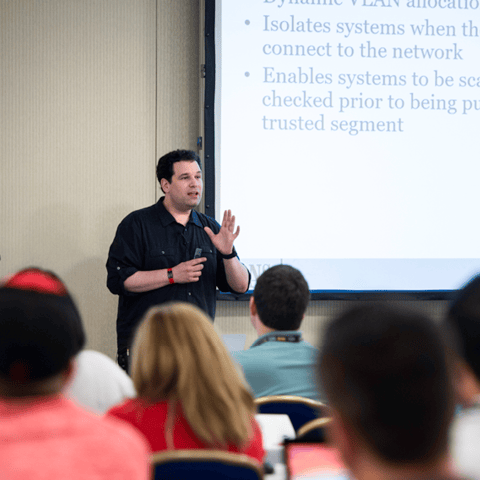
Bryan Simon: Teacher Standing Next to Smartboard and Explaining Concept

Get feedback from the world’s best cybersecurity experts and instructors
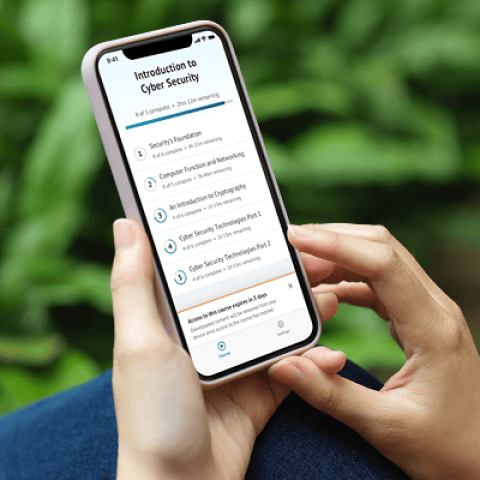
OnDemand Mobile App

Choose how you want to learn - online, on demand, or at our live in-person training events

Close Up of Woman Holding a Pen and Documents

Get access to our range of industry-leading courses and resources