Contact Sales
Contact Sales
MAJOR UPDATES

LDR519: Cybersecurity Governance, Risk, and Compliance (GRC)

LDR519Cybersecurity Leadership
  • 5 Days (Instructor-Led)
  • 30 Hours (Self-Paced)
Course authored by:
James Tarala
James Tarala
LDR519: Cybersecurity Risk Management and Compliance
Course authored by:
James Tarala
James Tarala
  • 30 CPEs

    Apply your credits to renew your certifications

  • In-Person, Virtual or Self-Paced

    Attend a live, instructor-led class at a location near you or remotely, or train on your time over 4 months

  • Advanced Skill Level

    Course material is geared for cyber security professionals with hands-on experience

  • 16 Hands-On Lab(s)

    Apply what you learn with hands-on exercises and labs

Empower yourself to take command of the full GRC lifecycle: build threat models, assess risk, prioritize safeguards, and apply AI-assisted tools to drive cybersecurity decisions that deliver results.

Course Overview

This course prepares students to manage cybersecurity risk across the full governance, risk, and compliance (GRC) lifecycle using proven practices. Students learn to establish governance structures, build threats and safeguard inventories, implement and validate controls, and communicate outcomes to both technical and executive stakeholders. Through case studies and the SANS Cyber42 simulation, they gain hands-on experience aligning security measures with business goals. Designed for assessors, auditors, and second-line professionals, the course builds the technical and organizational skills needed to lead resilient, compliant GRC programs.

What You’ll Learn

  • Establish governance structures for cybersecurity decisions
  • Build threat and safeguard inventories
  • Select and prioritize safeguards using frameworks and threat modeling
  • Operationalize GRC through policy and program management
  • Design and execute risk assessments
  • Use AI and continuous monitoring to measure controls
  • Communicate risk to executive and technical stakeholders

Business Takeaways

  • Apply a repeatable, end-to-end GRC lifecycle
  • Improve visibility into cybersecurity risk
  • Align security efforts with business goals
  • Make defensible, evidence-based decisions
  • Increase efficiency with AI and automation
  • Strengthen consistency across teams and environments
  • Enhance resilience and audit readiness

Course Syllabus

Explore the course syllabus below to view the full range of topics covered in LDR519: Cybersecurity Governance, Risk, and Compliance (GRC).

Section 1Foundations of Cybersecurity Governance and Risk

This section builds the foundation for a cybersecurity GRC program. Students learn how governance and risk decisions align with business goals, explore risk models, tooling, and Artificial Intelligence (AI), and apply these concepts through the Initiate and Inventory phases to define program structure, ownership, and scope.

Topics covered

  • Cybersecurity Governance and Program Foundations
  • Risk Management Models and Frameworks
  • GRC Program Structure and Decision-Making
  • GRC tooling and AI in Practice
  • Asset Inventory and Business Impact Analysis (BIA)

Labs

  • Cyber42 Case Study: Selecting a Risk Model
  • Cyber42 Case Study: Choosing a GRC Tool
  • Cyber42 Case Study: Approving a Business Impact Analysis

Section 2Selecting and Prioritizing Cybersecurity Safeguards

This section focuses on selecting and prioritizing cybersecurity safeguards to address risk and support business goals. Students evaluate frameworks, navigate multi-framework environments and apply threat modeling to map threats to safeguards. The result is a structured, defensible approach to safeguard selection based on likelihood, impact and business need.

Topics covered

  • Cybersecurity Framework Landscape and Comparison
  • Framework Selection and Adoption
  • Multi-Framework and Control Integration
  • Threat Modeling Concepts and Methods
  • Threat-Based Safeguard Prioritization

Labs

  • Cyber42 Case Study: Business-Driven Cybersecurity Framework Selection
  • Cyber42 Case Study: Categorizing Cybersecurity Safeguard Frameworks
  • Cyber42 Case Study: Creating a Cybersecurity Threat Model

Section 3Cybersecurity GRC Program Management

This section focuses on operationalizing cybersecurity decisions by translating safeguards into governance, documentation, education, and implementation. Students learn to formalize policy, assign ownership, enable the workforce, and manage execution. The focus is on consistent, organization-wide execution that turns decisions into measurable outcomes.

Topics covered

  • Cybersecurity Governance Through Policy and Documentation
  • AI-Enabled Documentation and Governance
  • Workforce Enablement and Program Execution
  • GRC Program Management and Operational Visibility
  • Extending Governance to Third-Party and Cloud Environments

Labs

  • Cyber42 Case Study: Governing Cybersecurity Documentation
  • Cyber42 Case Study: Managing Visibility with a Risk Register
  • Cyber42 Case Study: Governing Third-Party AI Risk

Section 4Validating Cybersecurity Safeguards

This section focuses on validating whether cybersecurity safeguards are implemented and operating as intended. Students learn to design and execute risk assessments, including scoping, reviewing documentation, evaluating technical controls, and analyzing evidence. The focus is on making defensible decisions based on multiple forms of evidence.

Topics covered

  • GRC Validation and Assessment Planning
  • Assessment Scope and Stakeholder Definition
  • Evidence Collection and Evaluation Methods
  • Technical Safeguard Validation and Analysis
  • AI-Enabled and Defensible Decision-Making

Labs

  • Cyber42 Case Study: Scoping Who Will Perform a Cybersecurity Risk Assessment
  • Cyber42 Case Study: Evaluating Cybersecurity Documentation
  • Cyber42 Case Study: Validating Multi-Factor Authentication
  • Cyber42 Case Study: Prioritizing Cybersecurity Safeguards

Section 5AI-Enabled Continuous Monitoring and Risk Reporting

This section focuses on transitioning cybersecurity risk management from periodic assessments to continuous, data-driven monitoring and reporting. Students learn to use business intelligence, automation, and AI to measure safeguards, reduce uncertainty, and support decisions. The focus is on continuous measurement, analysis, communication, and response.

Topics covered

  • AI-Enabled Continuous Monitoring and Risk Measurement
  • Cybersecurity Data and Business Intelligence
  • Data Integration and Risk Visibility
  • Metrics and Risk Communication
  • Risk Response and Lifecycle Management

Labs

  • Cyber42 Case Study: Asset-Oriented Risk Assessment
  • Cyber42 Case Study: Managing a Cybersecurity Risk Register
  • Cyber42 Case Study: Capstone Project – International Program Expansion

Things You Need To Know

Relevant Job Roles

Cyber Risk Officer

Cybersecurity Leadership

Lead cybersecurity risk strategy at the highest level.

Explore learning path

Cyber Legal, Policy & Compliance Officer

European Cybersecurity Skills Framework

Manages compliance with cybersecurity-related standards, legal and regulatory frameworks based on the organisation’s strategy and legal requirements.

Explore learning path

Senior Security Leader

Cybersecurity Leadership

Daily focus is on the oversight of technical teams while aligning them to overall business strategies. Includes titles such as Technical Director, Information Security Officer, and CISO.

Explore learning path

Cybersecurity Risk Manager

European Cybersecurity Skills Framework

Manage the organisation's cybersecurity-related risks aligned to the organisation’s strategy. Develop, maintain and communicate the risk management processes and reports.

Explore learning path

Enterprise Architecture (OPM 651)

NICE: Design and Development

Responsible for developing and maintaining business, systems, and information processes to support enterprise mission needs. Develops technology rules and requirements that describe baseline and target architectures.

Explore learning path

Governance, Risk, and Compliance

SCyWF: Governance, Risk, Compliance And Laws

This role governs cybersecurity structures and processes. Find the SANS courses that map to the Governance, Risk, and Compliance SCyWF Work Role.

Explore learning path

Chief Information Security Officers Training, Salary, and Career Path

European Cybersecurity Skills Framework

Chief Information Security Officers lead cybersecurity initiatives, aligning strategic vision with operational execution, fostering a resilient security culture, and proactively managing risks to safeguard organisational assets and reputation.

Explore learning path

Executive Cybersecurity Leadership (OPM 901)

NICE: Oversight and Governance

Responsible for establishing vision and direction for an organization's cybersecurity operations and resources and their impact on digital and physical spaces. Possesses authority to make and execute decisions that impact an organization broadly, including policy approval and stakeholder engagement.

Explore learning path

Course Schedule and Pricing

Have Questions?Contact Us
Showing 10 of 17

Benefits of Learning with SANS

Bryan Simon: Teacher Standing Next to Smartboard and Explaining Concept

Get feedback from the world’s best cybersecurity experts and instructors
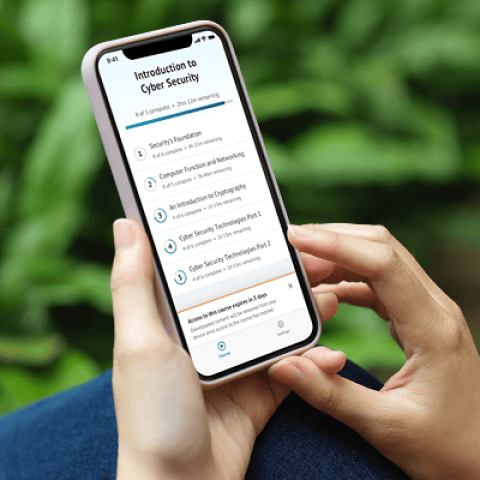
OnDemand Mobile App

Choose how you want to learn - online, on demand, or at our live in-person training events

Close Up of Woman Holding a Pen and Documents

Get access to our range of industry-leading courses and resources