SEC536: Adversarial AI - Penetration Testing AI Systems
SEC536Offensive Operations, Artificial Intelligence



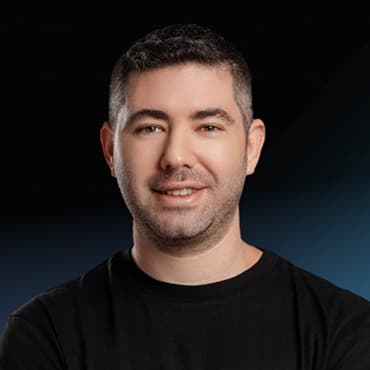
Kevin Garvey brings incident response, vulnerability management, threat intelligence, SOC, and leadership experience to SANS training, helping students connect security management concepts to real decisions teams and businesses need them to make.
Cloud-native infrastructure, AI-assisted attackers, and increasingly distributed environments are fundamentally changing how incidents unfold. Many breaches now escalate within minutes, while traditional MDR models were designed for a very different security landscape. At the same time, organizations face a difficult choice: outsource operations to opaque MDR providers, or build internal SOC automation platforms that still require scarce security talent.
In this session, we’ll explore how modern security teams are rethinking the SOC operating model—combining automation, cross-system investigations, and human expertise to investigate incidents across identity, cloud, and endpoint environments in real time. Through a practical investigation walkthrough, we’ll examine how security teams can move beyond alert triage toward context-rich investigations that reduce noise and accelerate response, while maintaining the visibility and control needed to improve security operations over time.
*Sponsored by Daylight Security
Virtual
Over 80% of the Fortune 500 have active agents built using low-code/no‑code tools. With agent use and opportunities expanding, now is the time to get foundational controls in place. Successful adoption is grounded in an organization's ability to observe, govern, and secure their AI transformation.
This session dives into the core pillars required to secure the next wave of AI adoption: continuous observability to understand how agents operate in real time, governance frameworks to control their creation and use, and security strategies grounded in Zero Trust principles. Learn how to apply these controls to agents and how to unify business, IT, and security teams to create a resilient foundation for AI.
*Sponsored by Microsoft
Virtual