SEC536: Adversarial AI - Penetration Testing AI Systems
SEC536Offensive Operations, Artificial Intelligence




Apply your credits to renew your certifications
Attend a live, instructor-led class at a location near you or remotely, or train on your time over 4 months
Course material is for individuals with an understanding of IT or cyber security concepts
Apply what you learn with hands-on exercises and labs

Important! Bring your own system configured according to these instructions. You will need 350 GB of free space to fit the VM and phone images for the course. We recommend bringing an external SSD to help with space issues you may experience.
A properly configured system is required to fully participate in this course. If you do not carefully read and follow these instructions, you will not be able to fully participate in hands-on exercises in the course. Therefore, please arrive with a system meeting all of the specified requirements.
Back up your system before class. Better yet, use a system without any sensitive/critical data. SANS is not responsible for your system or data.
Mandatory System Hardware Requirements
Mandatory Host Configuration And Software Requirements
Your course materials include a "Setup Instructions" document that details important steps you must take before you travel to a live class event or start an online class. It may take 30 minutes or more to complete these instructions.
Your class uses an electronic workbook for its lab instructions. In this new environment, a second monitor and/or a tablet device can be useful for keeping class materials visible while you are working on your course's labs.
If you have additional questions about the laptop specifications, please contact customer service.
FOR585 is designed for students who are both new to and experienced with smartphone and mobile device forensics. The course provides the core knowledge and hands-on skills that a digital forensic investigator needs to process smartphones and other mobile devices. The course is a must for:
The GIAC Advanced Smartphone Forensics (GASF) certified professionals have demonstrated that they are qualified to perform forensic examinations on devices such as mobile phones and tablets. Candidates are required to demonstrate an understanding of the fundamentals of mobile forensics, device file system analysis, mobile application behavior, event artifact analysis, and the identification and analysis of mobile device malware.
There is no prerequisite for this course, but a basic understanding of digital forensic terminology will help the student grasp topics that are more advanced. Previous vendor training in mobile device forensic acquisition is also useful but not required. We do not teach basic acquisition methods in class. This class focuses on analysis, advanced access methods and understanding smartphone artifacts.
The FOR585 course is a part of the “Digital Forensics, Malware Analysis, and Threat Intelligence” Learning Path, which aims to equip cybersecurity professionals with specialized investigative skills.
Depending on your current or desired future role, one of these courses is a great next step in your cybersecurity journey:
Smartphone forensics is the process of recovering, analyzing, and interpreting digital data from mobile devices for investigative purposes. This specialized branch of digital forensics focuses on extracting information such as messages, call logs, emails, photos, app data, and location history, often to support legal or security investigations. It includes:
Why it’s important:
Smartphone forensics bridges technology and justice, playing a crucial role in modern investigations.
Training in smartphone forensics can significantly enhance your career by equipping you with specialized skills that are in high demand across industries. Here’s how this course can benefit you:
FOR585 boosts your technical capabilities while enhancing your marketability in a growing field.
Get feedback from the world’s best cybersecurity experts and instructors
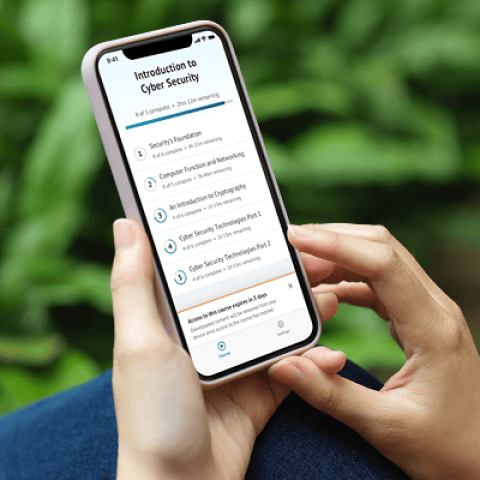
Choose how you want to learn - online, on demand, or at our live in-person training events

Get access to our range of industry-leading courses and resources