SEC595: Applied Data Science and AI/Machine Learning for Cybersecurity Professionals
SEC595Cyber Defense, Artificial Intelligence


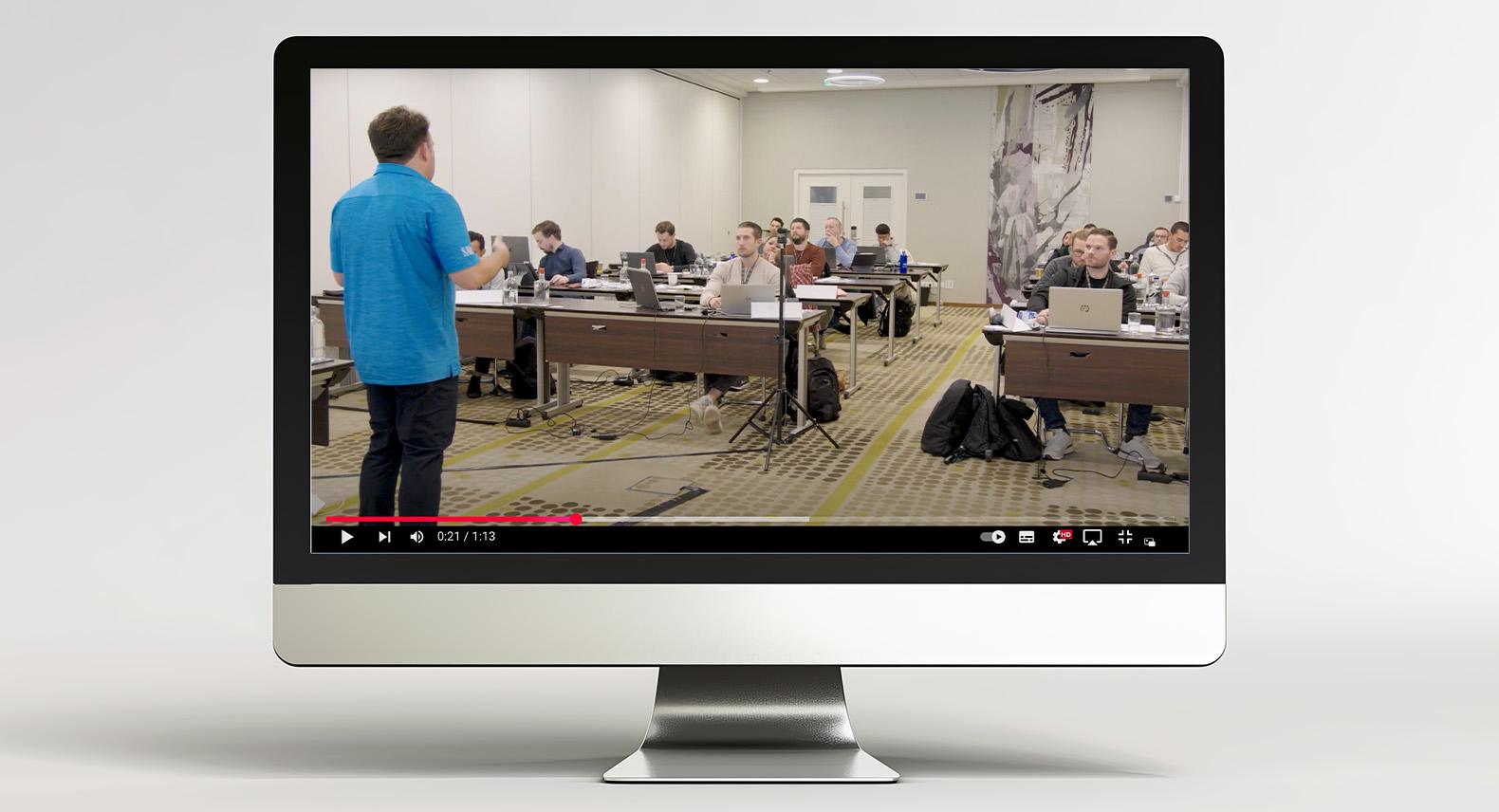
As part of your SANS training experience, you’ll receive complimentary access to a NetWars Tournament which is either available at the training event you are attending or will be made available through online access if you are attending a Live Online event. The NetWars Tournament is an interactive cyber range event designed to reinforce your learning through hands-on, gamified challenges.

Rome offers a truly immersive experience where world-renowned historical landmarks like the Colosseum and the Pantheon stand alongside vibrant urban life. Its culinary scene is exceptional, featuring authentic Italian cuisine from classic pasta dishes to artisanal gelato. The city's timeless charm is felt in every piazza, with breathtaking architecture and rich cultural heritage at every turn. Whether for leisure or business, Rome delivers a dynamic blend of history, beauty, and inspiration.


Android may be an open platform, but from a forensic perspective, it’s anything but uniform. Each manufacturer adds its own layer of customization—altering system partitions, changing logging behavior, introducing proprietary apps, and modifying how data is stored and secured.
This session explores the forensic implications of these variations through practical case studies on devices from Google (Pixel), Samsung, Xiaomi, and Oppo. Attendees will learn which artifacts remain consistent across Android environments, which differ dramatically, and how to adapt acquisition analysis strategies to each ecosystem.
By the end, you’ll understand why every Android flavour truly is different—and why forensic examiners can’t rely on a one-size-fits-all approach.
As the cyber threat landscape continues to evolve, the past year has presented unique challenges and opportunities for cyber threat intelligence professionals.
For 2025, availability has become a critical focus within the CIA triad, with ransomware and service outages high on the agenda, and network defenders and CTI analysts acutely aware of the impact of large-scale network disruptions. Additionally, AI remains a double-edged sword, with both adversarial and beneficial applications advancing rapidly.