SEC536: Adversarial AI - Penetration Testing AI Systems
SEC536Offensive Operations, Artificial Intelligence

Experience SANS training through course previews.
Learn MoreLet us help.
Contact usBecome a member for instant access to our free resources.
Sign UpWe're here to help.
Contact Us

Apply your credits to renew your certifications
Train at your own pace from wherever you are
Course material is for individuals with an understanding of IT or cyber security concepts
Improve persuasive communication techniques to breach readers' defenses, ensuring security reports influence decisions even when audiences resist engaging with technical content.
Outstanding course. Provides a writing framework/rubric to evaluate & guide future writing.
SEC402 teaches cybersecurity professionals to write so their reports, briefings, and emails get read and acted on. The technical insight is often there, but the writing that carries it loses the reader before the recommendation lands. This course teaches a reader-centered approach built around the five “golden” elements: structure, look, words, tone, and information. Students spot and fix problems in writing samples, including incident reports, threat reports, and assessment findings. They also learn how to use AI to draft, critique, and improve their writing, without ceding judgment to it.

Lenny Zeltser is a leader in developing resilient security programs. His invaluable tools, like REMnux, a widely used Linux distribution for malware analysis, have become industry standards in combating malicious software.
Read more about Lenny ZeltserExplore the course syllabus below to view the full range of topics covered in SEC402: Cybersecurity Writing: Hack the Reader.
Section 1 introduces the reader-centered approach and the first three elements that determine whether your writing gets read. Students learn to organize cybersecurity reports and messages, so readers find the takeaway, make it easy to scan, and choose words that work for both technical and business audiences. Hands-on exercises use weak and strong examples.
Section 2 turns to tone and information, which readers weigh before they trust you and act on what you wrote. Students learn to set a tone that stays professional, responsive, and constructive, even in disagreements and negative findings. They also learn what each report type, including incident, assessment, and threat reports, needs to deliver to readers.
Responsible for providing cybersecurity legal advice and recommendations, including monitoring related legislation and regulations.
Explore learning pathResponsible for operating an information system at an acceptable level of risk to organizational operations, organizational assets, individuals, other organizations, and the nation.
Explore learning pathDaily focus is on the leadership of technical teams. Includes titles such as Manager, Information Security Specialist, and Program/Project Leader.
Explore learning pathResponsible for managing the Communications Security (COMSEC) resources of an organization.
Explore learning pathResponsible for developing and conducting cybersecurity awareness, training, or education.
Explore learning pathResponsible for managing and administering processes and tools to identify, document, and access an organization’s intellectual capital.
Explore learning pathResponsible for conducting evaluations of technology programs or their individual components to determine compliance with published standards.
Explore learning pathThis dynamic and fast-paced role involves identifying, mitigating, and eradicating attackers while their operations are still unfolding.
Explore learning pathEnroll your team as a group or arrange a private session for your organization. We’ll help you choose the format that fits your goals.
Outstanding course. Provides a writing framework/rubric to evaluate and guide future writing.
I attended a training at my company right before coming here related to improving written communication. I notice similarities here but the cybersecurity focus here is invaluable!
Cybersecurity writing skills are critical for professional development.
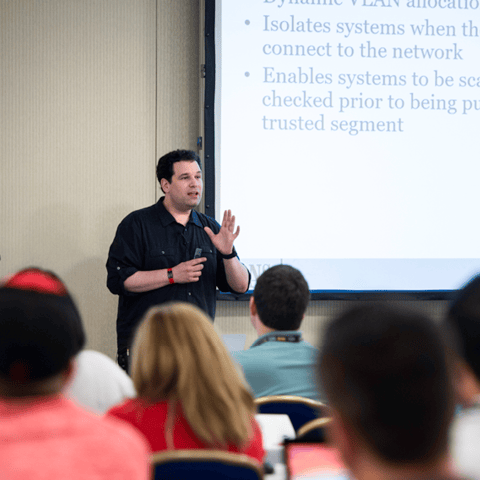
Get feedback from the world’s best cybersecurity experts and instructors
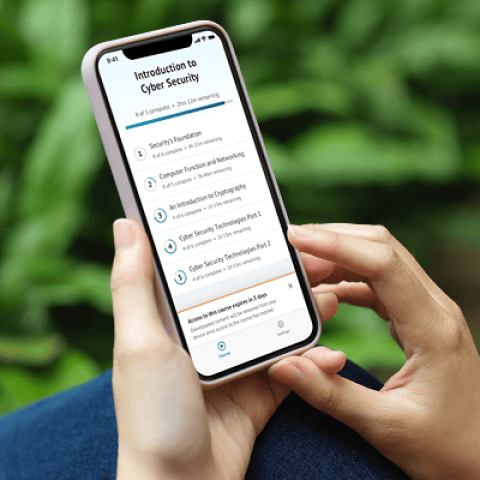
Choose how you want to learn - online, on demand, or at our live in-person training events

Get access to our range of industry-leading courses and resources