SEC536: Adversarial AI - Penetration Testing AI Systems
SEC536Offensive Operations, Artificial Intelligence

Experience SANS training through course previews.
Learn MoreLet us help.
Contact usBecome a member for instant access to our free resources.
Sign UpWe're here to help.
Contact Us
RSAC™ 2026 Conference celebrated its 35th anniversary this year, returning to the Moscone Center in San Francisco from March 23–26 under the theme "The Power of Community." Assembling more than 700 speakers, 570 sessions, 600 exhibitors, and nearly 44,000 attendees, RSAC 2026 once again served as the industry's largest and most important annual gathering, and four days of events and conversations made it clear that community is the only credible answer to the threat landscape taking shape right now. In the words of the conference’s Senior Vice President, Linda Gray Martin, “RSAC Conference continues to empower the global cyber ecosystem and remains the place for where the world talks security.”
One word defined RSAC 2026: AI, as a structural force reshaping nearly every dimension of cybersecurity. The conversation has matured well past anticipating or predicting the role of AI, so the questions dominating sessions were practical and urgent: How do you govern AI you've already deployed? How do you defend against attackers who are using it faster than most organizations can respond?
SANS Institute addressed these concerns in real-world terms with the release of the third annual Cybersecurity Workforce Research Report by SANS | GIAC, presented on Monday, March 23 by SANS Chief AI Officer and Chief of Research Rob T. Lee and SANS CEO James Lyne. Drawing on responses from nearly 950 practitioners, leaders, and HR professionals representing more than 20 industries across the globe, the report painted a candid picture of an industry in transition.
The numbers were striking. 74% of organizations reported that AI is actively reshaping how teams are composed and how roles are defined, yet only 21% have a comprehensive framework for governing it. AI security training in particular is a case of “policy without practice,” with 54% of organizations surveyed having policies on paper, but only 38% offering comprehensive training.
The report describes the current gap in training as a "perfect storm" driven by overwhelming demands on time and workload, caught in a feedback loop with unregulated Shadow AI and the threat of automation “eating” training pipelines. The impact is measurable, with one in four organizations reporting security breaches as a direct result of skills gaps.
Looking to the future, the report offers actionable recommendations for governance, talent pipelines, compliance, and leadership, backed by case studies from Microsoft, Bayer, and CSA Singapore. Discussing these findings together with the community at RSAC is part of building and ensuring a future where defenders are ready at machine speed, making sure organizations know to invest in the right skills and governance now.
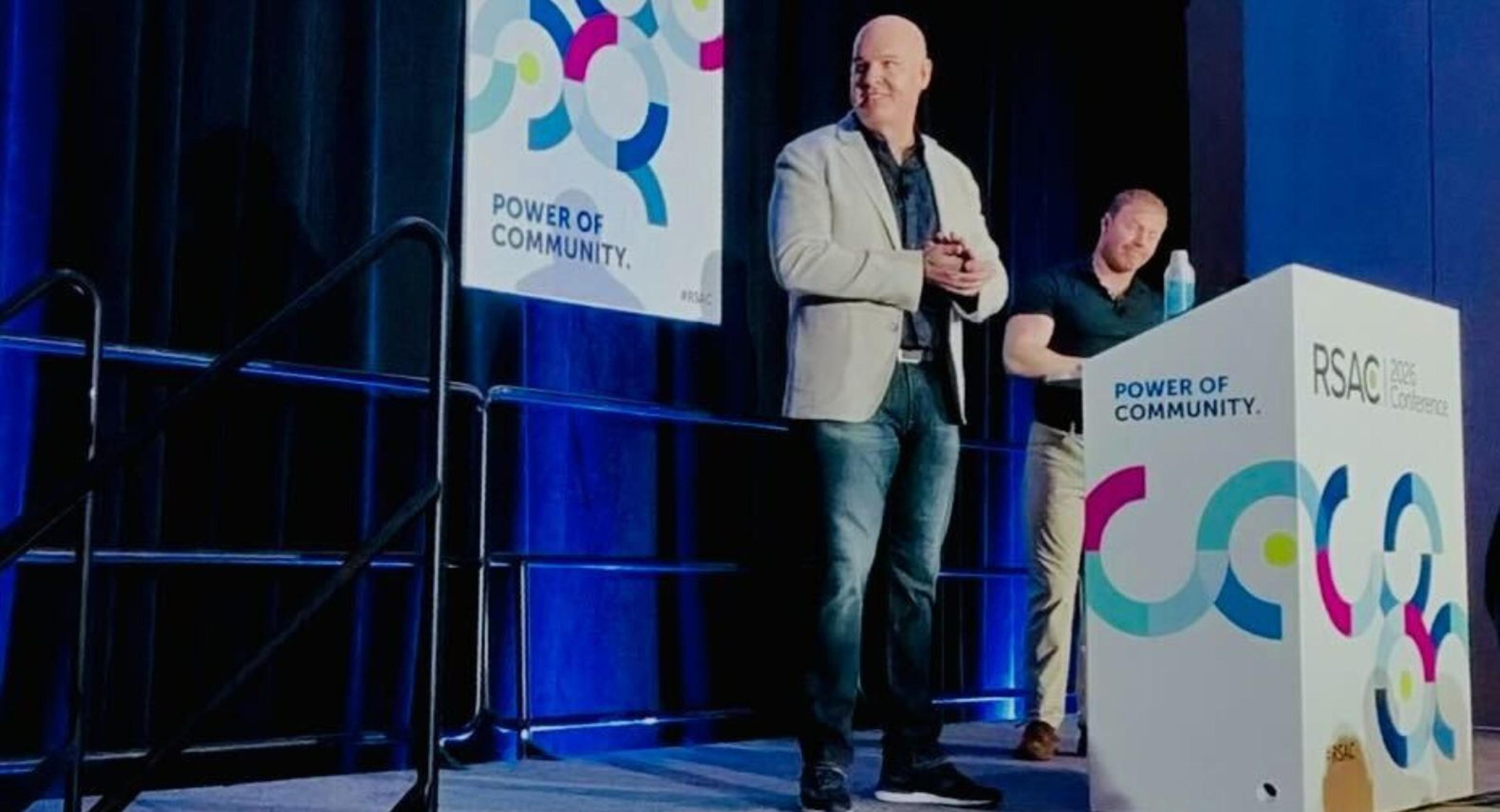
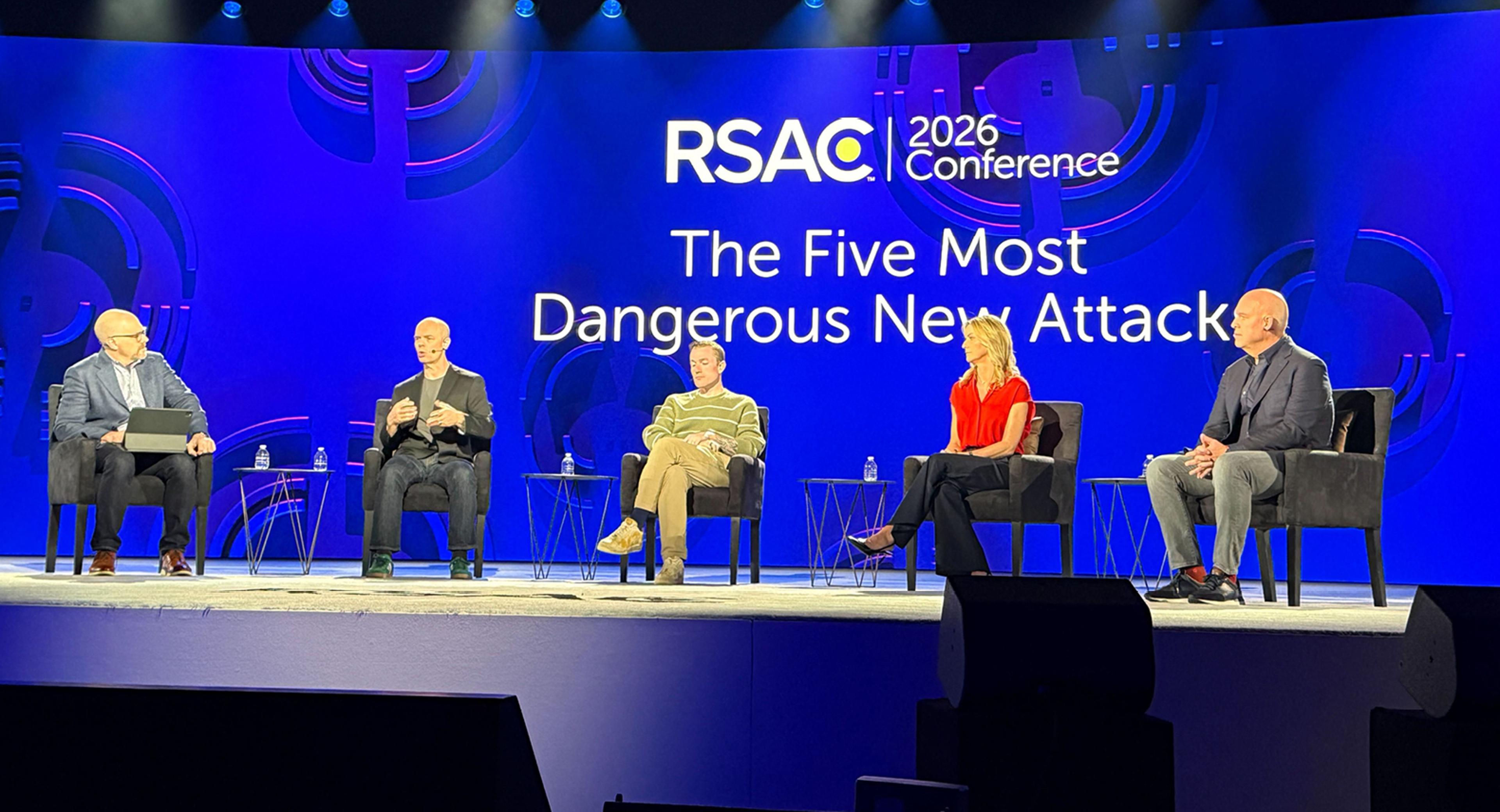
"We would be lying to you if we pointed out a trend in attacks that did not involve AI. That is just where we are in this industry," SANS Technology Institute President Ed Skoudis told the audience at this year's flagship RSAC 2026 keynote. For the first time in the history of SANS’ Most Dangerous New Attack Techniques briefing, every single one of the five involves AI.
Joshua Wright, Robert M. Lee, Heather Barnhart, and Rob T. Lee presented on attacks that span the “twin crises” of speed and comprehension created by AI:
RSAC 2026 Conference marked 35 years of community by looking both back and forward for inspiration. The inaugural Test of Time Awards honored cryptographic research from the conference's earliest years, recognizing work whose influence has only grown with time. The inaugural Frontier Award, presented to quantum networking researcher Dr. Maria Spiropulu, pointed toward the breakthroughs still ahead.
RSAC Conference made clear that the industry is shifting, but that moving together allows us to move with purpose. The defender community has a structural advantage that attackers simply can't replicate: the ability to pool knowledge and respond collectively at scale. Organizations that invest in building the right capabilities now will be better positioned to respond at the speed the threat landscape demands.
If you're ready to translate the themes of RSAC 2026 into real-world capability, you can start by joining the SANS community to access expert resources and insights, or connect with us to develop a personalized skill development plan aligned to your role or your team’s priorities.

Launched in 1989 as a cooperative for information security thought leadership, it is SANS’ ongoing mission to empower cybersecurity professionals with the practical skills and knowledge they need to make our world a safer place.
Read more about SANS Institute