SEC595: Applied Data Science and AI/Machine Learning for Cybersecurity Professionals
SEC595Cyber Defense, Artificial Intelligence

Experience SANS training through course previews.
Learn MoreLet us help.
Contact usBecome a member for instant access to our free resources.
Sign UpWe're here to help.
Contact Us

Apply your credits to renew your certifications
Attend a live, instructor-led class at a location near you or remotely, or train on your time over 4 months
Course material is geared for cyber security professionals with hands-on experience
Apply what you learn with hands-on exercises and labs
Drive enterprise resilience and innovation by shaping AI adoption strategy, modernizing cloud security foundations, and preparing for post-quantum disruption.
This type of training, i.e., cloud security from a management perspective, is rare and the quality of this one is definitely amazing.
LDR520: Emerging Trends for Cyber Leaders: AI and Cloud empowers leaders to navigate the complex, interconnected risks of AI and cloud transformation. You will master AI security by establishing robust governance frameworks and building practical implementation roadmaps to defend against modern threats. The course then establishes a critical foundation in cloud security, covering everything from identity and infrastructure protection to advanced data operations and multicloud governance. Finally, you will look ahead to post-quantum cryptography and apply all learned concepts in a comprehensive, executive-level capstone exercise.

Jason is a leading consultant sought after by Global 500 companies across finance, healthcare, and technology sectors worldwide. Over the years, he has led intrusion detection, penetration testing, defense improvement programs, and incident response.
Read more about Jason LamExplore the course syllabus below to view the full range of topics covered in LDR520: Emerging Trends for Cyber Leaders: AI and Cloud.
This section builds the business case for AI security and establishes governance foundations through NIST AI RMF, EU AI Act, and ISO 42001. Practical governance structures and global regulatory perspectives lead into the Executive Playbook, equipping leaders with influence strategies, resistance management, and stakeholder communication for transformation.
This section shifts from governance to operational security across three pillars. Safety and Assurance covers bias detection with hands-on auditing. System Security explores OWASP LLM Top 10 vulnerabilities and adversarial attacks. Threat Landscape examines AI-enhanced attacks, while AI-Enabled Defense builds SOC capabilities and investment roadmaps.
This section applies the 8-domain maturity framework to four foundational pillars: Identity and Access Management, Secure Infrastructure, Detection and Response, and Security Governance. Executives learn to assess organizational maturity, prioritize security investment, and lead transformation across the domains that define cloud security posture.
This section completes the maturity framework across four remaining domains: Data Protection, Workload and Application Security, Security Assurance, and Workforce Transformation. A dedicated SaaS operational security module closes the course, equipping leaders to govern the fastest-growing and least-controlled segment of cloud adoption.
This section addresses the modern crypto transition to post-quantum security management, a critical future-proofing strategy. It culminates in a capstone exercise where students apply all concepts and skills learned throughout the course in a practical, executive-level scenario.
Developing cloud security roadmaps, plans and procurement models to mature cloud security.
Explore learning pathResponsible for overseeing and directly managing technology projects. Ensures cybersecurity is built into projects to protect the organization’s critical infrastructure and assets, reduce risk, and meet organizational goals. Tracks and communicates project status and demonstrates project value to the organization.
Explore learning pathResponsible for managing the cybersecurity of a program, organization, system, or enclave.
Explore learning pathDaily focus is on the oversight of technical teams while aligning them to overall business strategies. Includes titles such as Technical Director, Information Security Officer, and CISO.
Explore learning pathDesigns and secures the defensive architecture of secure cloud environments.
Explore learning pathThis role conducts supervises, manages and leads cybersecurity teams and work. Find the SANS courses that map to the Leadership SCyWF Work Role.
Explore learning pathResponsible for leading, coordinating, and the overall success of a defined program. Includes communicating about the program and ensuring alignment with agency or organizational priorities.
Explore learning pathChief Information Security Officers lead cybersecurity initiatives, aligning strategic vision with operational execution, fostering a resilient security culture, and proactively managing risks to safeguard organisational assets and reputation.
Explore learning pathEnroll your team as a group or arrange a private session for your organization. We’ll help you choose the format that fits your goals.
Great course, a lot of material to go through but it really shows the model an organization should follow to increase the security on cloud environments.
The game platform [Cyber42] and challenges are really interesting and add a nice dimension to the class.
Perfect for understanding the inner workings without getting too in the weeds.
Great way to break out of just the technical aspects of cloud and a step towards management level learning.
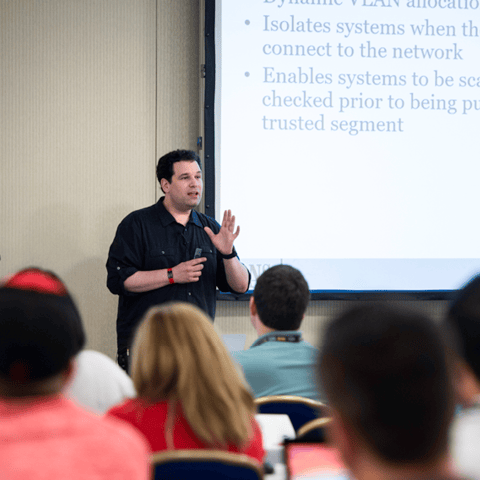
Get feedback from the world’s best cybersecurity experts and instructors
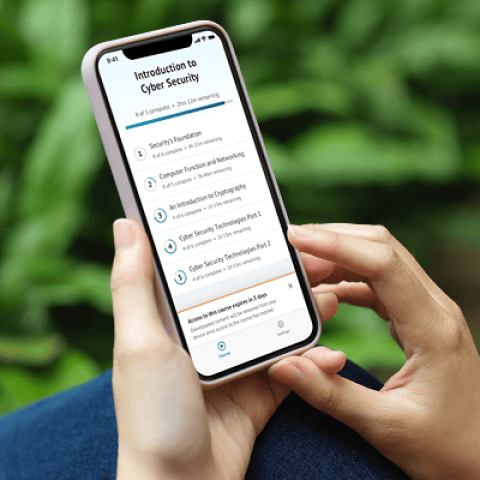
Choose how you want to learn - online, on demand, or at our live in-person training events

Get access to our range of industry-leading courses and resources