SEC536: Adversarial AI - Penetration Testing AI Systems
SEC536Offensive Operations, Artificial Intelligence



Apply your credits to renew your certifications
Attend a live, instructor-led class at a location near you or remotely, or train on your time over 4 months
Course material is geared for cyber security professionals with hands-on experience
Apply what you learn with hands-on exercises and labs
CRITICAL NOTE: Apple Silicon devices cannot perform the necessary virtualization and cannot be used for this course.
Laptop Required
Students are required to bring their own laptop so that they can connect directly to the workshop network we will create, and thus get the most value out of the course. It is the student's responsibility to make sure that the system is properly configured and capable of running both a Windows and Linux VMWare compatible virtual machines at the same time.
Some of the course exercises are based on Windows, while others focus on Linux. VMware Player or VMware Workstation is required for the course. If you plan to use an Intel based Mac, please make sure you bring VMware Fusion, along with a Windows guest virtual machine. All of the VMware products are available at www.vmware.com.
Important Note: You may also be required to disable your anti-virus tools temporarily for some exercises, so make sure you have the anti-virus administrator permissions to do so. Do not plan on just killing your anti-virus service or processes, because most anti-virus tools still function even when their associated services and processes have been terminated. For many enterprise-managed clients, disabling your anti-virus tool may require a different password than the Administrator account password. Please bring that Administrator password for your anti-virus tool.
Enterprise VPN clients may interfere with the network configuration required to participate in the course. If your system has an enterprise VPN client installed, you may need to uninstall it for the course exercises.
If you have additional questions about the laptop specifications, please contact customer service.
SEC573 training is recommended for a diverse range of individuals, including:
The GIAC Python Coder (GPYC) certification validates a practitioner's understanding of core programming concepts, and the ability to write and analyze working code using the Python programming language. GPYC certification holders have demonstrated knowledge of common python libraries, creating custom tools, collecting information about a system or network, interacting with websites and databases, and automating testing.
A basic understanding of any programming or scripting language is highly recommended but not required for this course. SEC573 starts with the most basic fundamentals of Python programming. There is no aspect of programming or Python that must be understood before attending this course. The lab environment is self-paced and this allows students who have had some experience coding to advance more quickly than those who have not. You are provided a Virtual Machine that gives you the ability to complete the labs that are in your course book after the live course or your OnDemand access has finished.
The SEC573 course is a part of the “Advanced Cyber Defense” Learning Path, which aims to equip security professionals with the skills to harden specific defenses.
The following SANS courses contain small sections that teach aspects of Python coding. The skills taught in SEC573 will prepare you to take full advantage of the following courses:
Additionally, this course teaches the automation of skills that are taught in these SANS courses, making this a great follow on to these courses.
AI-Powered Information Security Automation integrates artificial intelligence with automation tools to enhance cybersecurity operations, enabling systems to detect, respond to, and mitigate threats in real-time without constant human intervention. Using LLMs and the power of Python, you can develop tools to handle a variety of information security tasks from processing data from logs, networks, and endpoints to identifing anomalies, predict attacks, and automate defenses. This approach, emphasized in SEC573: AI-Powered Information Security Automation, leverages "Vibe coding" that makes development accessible even for non-experts, allowing quick creation of custom agents and integrations via protocols like MCP (Message Context Protocol) and OpenAI agents.
Key benefits include:
SEC573 is a crucial course for anyone looking to advance in cybersecurity, particularly in the areas of automation and threat defense. By focusing on automated methods for defending IT infrastructure, this course equips professionals with the skills needed to efficiently manage and protect systems at scale.
Key benefits for your career include:
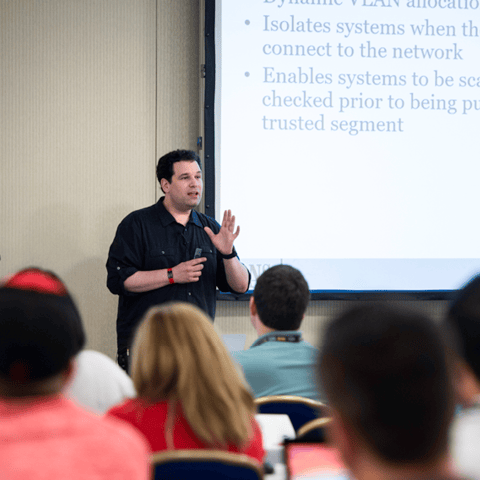
Get feedback from the world’s best cybersecurity experts and instructors
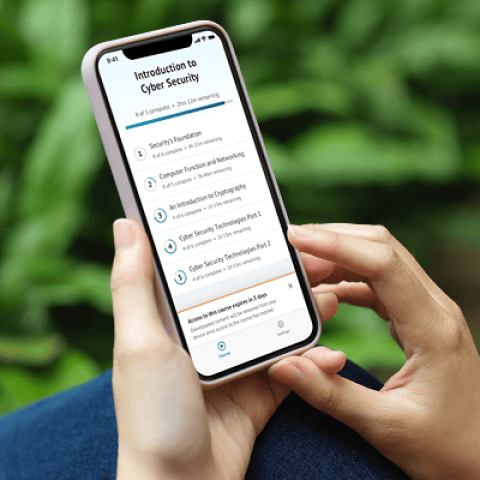
Choose how you want to learn - online, on demand, or at our live in-person training events

Get access to our range of industry-leading courses and resources