SEC536: Adversarial AI - Penetration Testing AI Systems
SEC536Offensive Operations, Artificial Intelligence




Apply your credits to renew your certifications
Attend a live, instructor-led class at a location near you or remotely, or train on your time over 4 months
Course material is geared for cyber security professionals with hands-on experience
Apply what you learn with hands-on exercises and labs



Kevin is a seasoned red team professional experienced in running attack simulations across different industries, including finance, retail, manufacturing, and energy sectors. His focus is to develop offensive capabilities and tooling for engagements. Kevin is the author of SEC665: Advanced Red Team Operations.

Important! Bring your own system configured according to these instructions.
To fully participate in the hands-on labs and exercises in SEC665, students must bring a personal laptop meeting the following minimum specifications:
Please ensure your system is fully updated and virtualization support (VT-x/AMD-V) is enabled in BIOS/UEFI before arriving. A compatible setup is essential for completing the extensive virtual lab environments used throughout the course.
If you have additional questions about the laptop specifications, please contact customer service.
Security professionals who are interested in developing their red team skills and becoming advanced Red Team Operators. Students who have taken SEC565, SEC599, SEC699, etc. Red Teamers in the private sector who are looking to expand the effectiveness of their teams, and operators in the government sector to include DoD customers, military cyber units, Intel Community, etc.
Job titles: Red Team Operator, Penetration Tester, Purple Team Operator, Red Team Developer, etc.
Students should understand foundational red teaming concepts and processes. Students who have completed a foundational course on red teaming (SANS SEC565, SpectreOps, CRTO) or have been working as a red team operator for a few years will have the proper skillset to take SEC665.
SEC665 is part of SANS’s Offensive Operations curriculum. Alongside SEC665, SANS also offers SEC565, a foundational red team course, and SEC670, which focuses on Windows tool development for red team operations.
Other specialized areas within the Offensive Operations curriculum include pen testing and cloud, specialized penetration testing, and purple team.
As organizations get more sophisticated and harden their security posture, red teams need to evolve their skillset to keep up with the advanced capabilities adversaries use to compromise target environments. This advanced six-day course addresses that challenge head-on, equipping red teamers with the skills needed to stealthily penetrate hardened environments, evade modern EDR/NDR defenses, and escalate privileges in complex on-prem and cloud scenarios. By exploring everything from covert infrastructure setup and AiTM phishing to kernel driver exploitation, participants gain a powerful toolkit to simulate the tactics of advanced adversaries.
Security professionals who are interested in developing their red team skills and becoming advanced Red Team Operators. Students who have taken SEC565, SEC599, SEC699, etc. Red Teamers in the private sector who are looking to expand the effectiveness of their teams, and operators in the government sector to include DoD customers, military cyber units, Intel Community, etc.
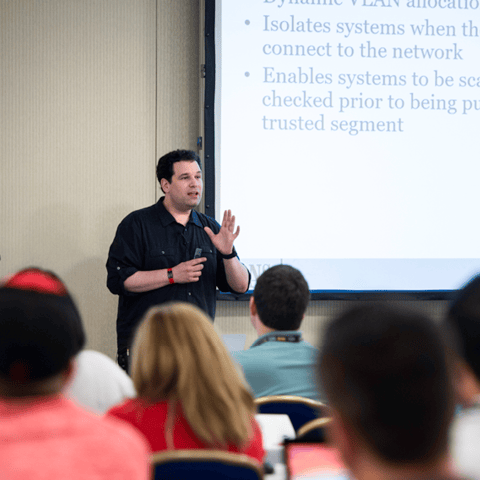
Get feedback from the world’s best cybersecurity experts and instructors
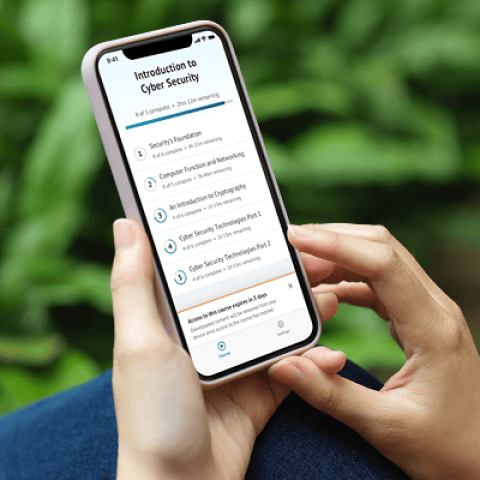
Choose how you want to learn - online, on demand, or at our live in-person training events

Get access to our range of industry-leading courses and resources