SEC595: Applied Data Science and AI/Machine Learning for Cybersecurity Professionals
SEC595Cyber Defense, Artificial Intelligence

Experience SANS training through course previews.
Learn MoreLet us help.
Contact usBecome a member for instant access to our free resources.
Sign UpWe're here to help.
Contact Us

Apply your credits to renew your certifications
Attend a live, instructor-led class at a location near you or remotely, or train on your time over 4 months
Course material is geared for cyber security professionals with hands-on experience
Apply what you learn with hands-on exercises and labs
Learn how we can leverage Agentic AI development and Python as security professionals. From the Python essentials to developing AI Agents for your own information security tools.
I have had a few Python courses in the past in school, but I am already learning new things and ways to find new information on Day 1.
Are you ready to supercharge your cybersecurity career with AI-driven automation and tackle the evolving threats in today's digital landscape? The key is mastering AI integration through practical tools like MCP (Message Context Protocol) and OpenAI agents, all built on accessible Python foundations. Want to leverage AI for real-time anomaly detection, automate analysis of forensic artifacts, or develop custom agents that uncover hidden attack patterns and outpace adversaries? From building AI-powered log analysts to integrating automation frameworks like n8n to writing stand along autonomous AI agents, this course equips you with the skills to harness massive data streams, enhance forensics, and create intelligent defenses that keep you ahead.
SEC573: AI-Powered Security Automation positions AI as the core of modern infosec. You will be taught to write and debug Python code. And when the code gets a little too complex you will learn to leverage AI code writing agents to "Vibe code" a solution to today complex problems. Have you ever wondered why so many SANS courses touch on the Python basics? It's because mastering Python is essential for completing advanced labs and staying relevant in fields like data science, machine learning, and penetration testing. This class will teach you the essentials and how to leverage AI to write, explain and enhance your Python programs to solve real-world problems.
When you're ready to elevate AI from a buzzword to your infosec superpower, SEC573 delivers exactly what you need to get started. This course also prepares you for the GPYC certification (GIAC Python Coder), validating your ability to apply AI and Python to solve real-world cybersecurity challenges.


SANS Faculty Fellow Mark Baggett authored SEC573 and SEC673, leads as CTO of the SANS Internet Storm Center, and empowers defenders to automate security through practical, real-world application.
Read more about Mark BaggettExplore the course syllabus below to view the full range of topics covered in SEC573: Automating Information Security with Python.
The course starts with an intro to Python and the pyWars Capture-the-Flag challenge. Students learn at their own pace in the pyWars lab, with over 100 hands-on labs to build life-changing skills. Advanced students tackle Python bonus challenges, while beginners start with Python essentials.
You won't learn programming from slides. This section builds on the hands-on approach, covering data structures and programming concepts. Learn to use Python Virtual Environments to resolve library conflicts and organize your setup. We also cover debugging with Visual Studio Code and share tips to become a better Python programmer.
In this section, we take on the role of network defenders, using AI to develop code and access data to solve complex challenges. We’ll explore AI's limitations and the need for offline analysis, including regex and file analysis. Forensics and offensive security pros will also benefit, as skills like file reading and data parsing are essential for them.
In our forensics-themed section, we will assume the role of a forensic analyst who has to carve evidence from artifacts when no tool exists to do so. Even if you don't do forensics, you will find that the skills.
In this offensive-themed section, we become penetration testers whose attempts have been blocked by modern defenses. You will build an agent to bypass these defenses and gain remote access. We’ll also learn how AI agents can be turned against us by exploring AI guardrails, their limitations, and applying them in offensive exercises.
In the final section, you’ll team up with other students to apply your skills in programming challenges. You’ll solve problems, exploit vulnerable systems, analyze packets, parse logs, and automate code execution on remote systems. Test your skills, tackle challenges, and prove your expertise!
Responsible for analyzing data from multiple disparate sources to provide cybersecurity and privacy insight. Designs and implements custom algorithms, workflow processes, and layouts for complex, enterprise-scale data sets used for modeling, data mining, and research purposes.
Explore learning pathResponsible for conducting software and systems engineering and software systems research to develop new capabilities with fully integrated cybersecurity. Conducts comprehensive technology research to evaluate potential vulnerabilities in cyberspace systems.
Explore learning pathMalware analysts face attackers’ capabilities head-on, ensuring the fastest and most effective response to and containment of a cyber-attack. You look deep inside malicious software to understand the nature of the threat – how it got in, what flaw it exploited, and what it has done, is trying to do, or has the potential to achieve.
Explore learning pathThis expert applies digital forensic skills to a plethora of media that encompass an investigation. The practice of being a digital forensic examiner requires several skill sets, including evidence collection, computer, smartphone, cloud, and network forensics, and an investigative mindset. These experts analyze compromised systems or digital media involved in an investigation that can be used to determine what really happened. Digital media contain footprints that physical forensic data and the crime scene may not include.
Explore learning pathResponsible for analyzing digital evidence from computer security incidents to derive useful information in support of system and network vulnerability mitigation.
Explore learning pathExecute digital forensic operations under demanding conditions, rapidly extracting critical intelligence from diverse devices. Leverage advanced threat hunting and malware analysis skills to neutralize sophisticated cyber adversaries.
Explore learning pathThis role tests IT systems and networks and assesses their threats and vulnerabilities. Find the SANS courses that map to the Vulnerability Assessment SCyWF Work Role.
Explore learning pathThis expert applies digital forensic skills to a plethora of media that encompasses an investigation. If investigating computer crime excites you, and you want to make a career of recovering file systems that have been hacked, damaged or used in a crime, this may be the path for you. In this position, you will assist in the forensic examinations of computers and media from a variety of sources, in view of developing forensically sound evidence.
Explore learning pathAdd a GIAC certification attempt and receive free two practice tests. View pricing in the info icons below.
Python is a tool required in the world of InfoSec, and SEC573 helped me build that tool belt.
Very well put together. I have been afraid of learning how to code for years. Within the first days' worth of material my mind has been put at ease.
SEC573 is excellent. I went from having almost no Python coding ability to being able to write functional and useful programs.
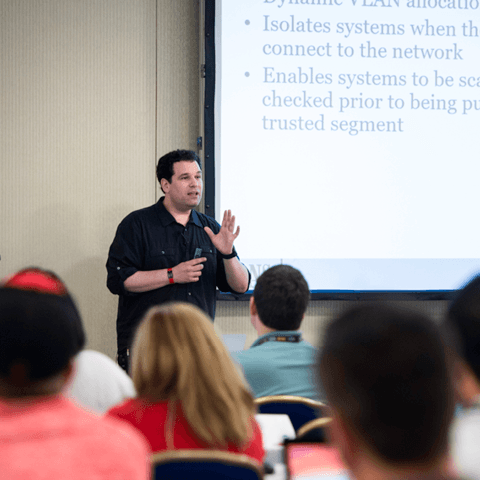
Get feedback from the world’s best cybersecurity experts and instructors
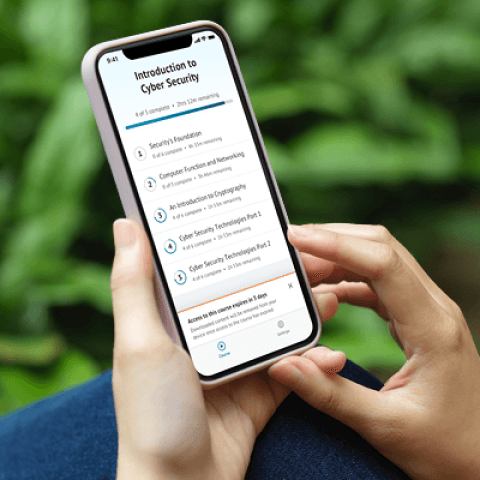
Choose how you want to learn - online, on demand, or at our live in-person training events

Get access to our range of industry-leading courses and resources