Train Live with Industry Experts Across North America
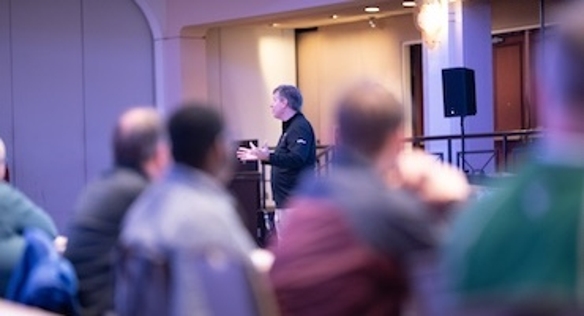
Experience
For cyber professionals seeking an immersive and life-changing experience, LIVE events are the delivery method of choice. SANS events invite you to join the brightest minds in the industry to share, connect, learn, and grow.
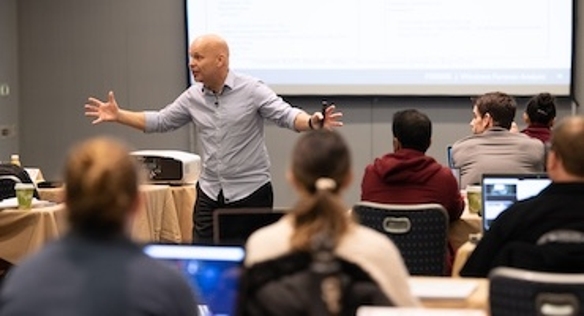
Personalization
Hands-on learning with the opportunity to ask questions and receive instant feedback from world-renowned experts. Afterward, reinforce your skills with 4-months of access to daily course lecture archives.

Relationships
Form connections during networking opportunities, engage in meaningful discussions, exchange ideas, and build valuable relationships with your cyber peers in the classroom and online.

Energy
The atmosphere of SANS live events is contagious. Teams leave with newfound motivation, a sense of community, and a deeper passion for the field - refreshed & renewed!
35 Years of Protecting Organizations from Cyber Threats
250K+
Students Trained
60+
Courses
35+
Affiliated GIAC Certifications
.png "Star_Rating_(1).png")
Approval Score
Choose Your Training Experience
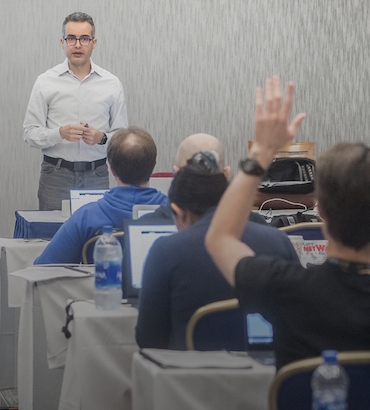 In-Person = All AccessIn-Person = All Access* Immersive learning environment with expert instructors * Networking with other cyber professionals in real-time
 Live Online = Train From AnywhereLive Online = Train From Anywhere* Interactive learning from the comfort of home or anywhere else * Real-time access to instructor and classmates via Slack and Zoom
The Value of SANS Live Training
Featured Live Cyber Security Training Events
Our biggest cyber security events of the year! The most powerful gatherings of professionals in the industry.
San Diego, CA or Live Online - PT
May 9-14, 2024
25+ Courses
Don't miss this opportunity to learn the latest techniques to combat threats from expert SANS practitioners in sunny San Diego, CA this May!
View Courses & Certifications 

SANS In-Person Training = All Access
Featured Keynote Presentations
Featured Keynote Presentations
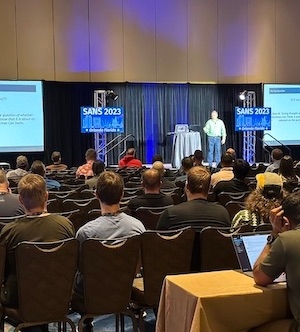
Each of our 120+ SANS Institute instructors and speakers is a cyber security expert and passionate teacher, dedicated to strengthening the cyber security community. Keep your skills on the pulse at our next keynote!

Welcome Receptions
Welcome Receptions
Brace yourself for full SANS immersion upon day 1 of in-person training at the welcome reception. Meet and network with the global leaders in cybersecurity, grow your cybersecurity colleague community, and more!

SANS @Night Talks
SANS @Night Talks
Workshops & presentations by our faculty and selected subject-matter experts help you broaden your knowledge, get the most for your training dollar, and hear from the voices that matter in cybersecurity.
NetWars Tournaments
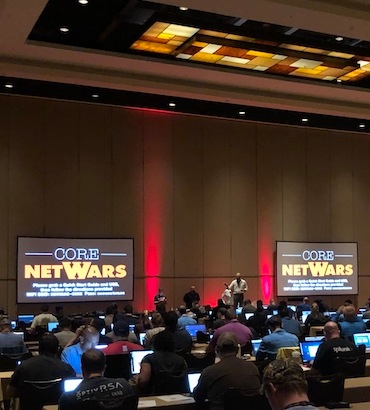
NetWars Tournaments
Immerse yourself in hands-on interactive learning exercises that can be used to demonstrate ongoing competency in information security. Learn more about SANS NetWars!
North America Live Cyber Security Training Events
Each SANS live cyber security event includes a variety of cyber security courses. In the table below, find the different course focus areas offered at our upcoming events.
| Dates | Event Title | Training Format | Cyber Security and IT Essentials | Cloud Security | Cyber Defense | Digital Forensics and Incident Response | Industrial Control Systems | Cyber Security Leadership | Offensive Operations |
|---|---|---|---|---|---|---|---|---|---|
| May 9-14 | Security West San Diego 2024 | In-Person & Live Online | x | x | x | x | x | x | x |
| May 20-24 | Leadership & Cloud Security - Crystal City 2024 | In-Person & Live Online | x | x | x | x | x | x | |
| May 20-25 | Attack & Respond 2024 | Live Online | x | x | x | ||||
| May 29-31 | Stay Sharp: May 2024 | Live Online | x | x | x | ||||
| June 3-15 | Miami 2024 | In-Person & Live Online | x | x | x | x | x | x | |
| June 17-22 | Rocky Mountain Summer 2024 | In-Person & Live Online | x | x | x | x | x | x | |
| June 24-29 | San Antonio 2024 | In-Person & Live Online | x | x | x | x | x | ||
| July 15-20 | SANSFIRE 2024 | In-Person & Live Online | x | x | x | x | x | x | x |
| July 29-Aug 3 | New York City Summer 2024 | In-Person & Live Online | x | x | x | x | x | x | |
| Aug 5-10 | Nashville 2024 | In-Person & Live Online | x | x | x | x | x | ||
| Aug 12-17 | Chicago 2024 | In-Person & Live Online | x | x | x | x | x | x | |
| Aug 19-31 | Virginia Beach 2024 | In-Person & Live Online | x | x | x | x | x | x | |
Limited-Time Special Offer on SANS Live Training
Save $600 when you register and pay by May 19, 2024, on any 4-6-day course running at a North America Live Training Event in 2024. Use code "LIVEQ224" at checkout.
*Offer valid in the United States and Canada only. Some restrictions apply.


SANS Summits
Elevate your knowledge, skills, and industry connections at an upcoming SANS Summit. Summits bring together cyber security practitioners and leading experts to share and discuss case studies, lessons learned, new tools, and innovative strategies to improve cyber security and overcome challenges in a particular focus area or industry.
Enhance your experience with a closely aligned Live Training course offered before or after most Summits.
Learn More 
SANS Stay Sharp
Build specific skills you can apply the same week you take your training. SANS Stay Sharp offers bite-sized 1-3 day Live Training courses taught by real-world practitioners focused on teaching practical, must-have skills you can use immediately.
Whether you are new to the industry looking for a place to start or are a seasoned professional looking to sharpen particular skills, SANS Stay Sharp can help you achieve your goal.
Learn More 
SANS Cyber Ranges
SANS Cyber Ranges offer a comprehensive suite of hands-on ranges with industry-leading interactive learning scenarios, including NetWars Tournaments and Continuous with cutting-edge cyber challenges within an integrated storyline.
Several Live Training events feature complimentary registration for NetWars Tournaments, allowing you to develop and practice real-world skills to be prepared to defend your environment.
View NetWars Tournaments