Group Purchasing
Group Purchasing
UPDATED

SEC522: Application Security: Securing Web Applications, APIs, and Microservices

SEC522Cloud Security
  • 5 Days (Instructor-Led)
  • 30 Hours (Self-Paced)
Course authored by:
Jason Lam
Jason Lam
SEC522: Application Security: Securing Web Applications, APIs, and Microservices
Course authored by:
Jason Lam
Jason Lam
  • GIAC Certified Web Application Defender (GWEB)
  • 30 CPEs

    Apply your credits to renew your certifications

  • In-Person, Virtual or Self-Paced

    Attend a live, instructor-led class at a location near you or remotely, or train on your time over 4 months

  • Advanced Skill Level

    Course material is geared for cyber security professionals with hands-on experience

  • 17 Hands-On Lab(s)

    Apply what you learn with hands-on exercises and labs

Gain the skills to find and fix vulnerabilities and defend the web applications, APIs, microservices, and AI-powered systems that run your business.

Course Overview

SEC522 is a hands-on, advanced application security course for professionals who defend the HTTP-based technologies behind today's digital ecosystem. HTTP is the common language of web applications, APIs, microservices, and AI platforms, and attackers treat every one of those surfaces as fair game. Through 17 practical labs and a competitive Defend the Flag capstone, students learn to identify vulnerabilities, build layered defenses, and secure everything from traditional applications to LLM-powered services. The course addresses the OWASP Top 10, API and microservice threats, and the fast-growing class of attacks against AI applications, all while preparing students for the GWEB certification.

Not A Matter of "If" but "When" — Be Prepared For A Web Attack; We Will Teach You How

HTTP is no longer just about websites. It is the universal language that lets cloud services, microservices, APIs, and AI platforms talk to each other. Whether you are securing a traditional web application, protecting cloud-native services, or defending AI model endpoints, the fundamentals remain the same: HTTP-based protocols and the security implications that come with them.

SEC522 is built around this reality and provides training that goes well beyond traditional web application security. As organizations move to cloud platforms, adopt microservices, and embed AI capabilities into their products, they are all building on the same HTTP foundation. A vulnerability in any of these systems can compromise far more than a single application. It can expose entire cloud environments, API ecosystems, and AI services.

Throughout SEC522, we show how HTTP security principles apply across the whole technology stack. Traditional web applications, RESTful APIs, GraphQL endpoints, and AI model serving platforms all rely on HTTP. Students learn to recognize attack patterns that span these technologies and to implement defensive strategies that protect the entire ecosystem, including the emerging generation of LLM-powered and agentic applications.

The skills taught in SEC522 apply the moment you return to work. AI platforms expose inference endpoints over HTTP APIs, cloud services communicate through REST interfaces, and microservices orchestrate through HTTP calls, so the security principles you master here only grow in importance. You will learn to spot vulnerabilities early in development, communicate risk clearly, and implement controls that protect modern architectures.

Hands-On Cloud Application Security Training

The lab environment offers a realistic application setting where students can explore attacks and see the impact of defensive mechanisms. Structured as challenges with helpful hints, the hands-on labs provide practical experience that students can apply immediately when they return to work. 17 labs across Sections 1 to 5 culminate in an exciting, competitive Defend the Flag capstone that fills the final afternoon. This closing challenge allows participants to put their skills to the test in a dedicated, immersive exercise.

  • Section 1: HTTP Basics, Inspecting HTTP/2 Traffic and Crafting Requests, Isolation, SSRF and Credential Theft
  • Section 2: SQL Injection, Cross-Site Request Forgery, Cross-Site Scripting, File Upload and Java Deserialization
  • Section 3: Passkeys and WebAuthn Origin Binding, Authentication Weaknesses and Session Fixation, OAuth and Authorization, JWT Algorithm Confusion and TLS Inspection
  • Section 4: Cross-Origin Requests (CORS), API Discovery, API Security: BOLA, Client-Side Hardening: CSP and Clickjacking
  • Section 5: AI Security: Defending an LLM Chatbot, then the Defend the Flag capstone

Author Statement

"Too many organizations are getting compromised through their HTTP-based applications—websites, APIs, and AI endpoints alike. The goal of SEC522 is to arm students with real-world defensive strategies that work across all these platforms. You can apply these techniques immediately, regardless of your role in protecting these exposed assets. We all know it is very difficult to defend HTTP-based applications because there are so many different types of vulnerabilities and attack channels. Overlook one thing and your application is owned. The defensive perimeter needs to extend far beyond just coding—it must cover the entire HTTP stack from traditional web servers to modern microservices and AI platforms. This course covers many security vulnerabilities, so students understand the problems at hand. We then provide defensive strategies and tricks, as well as the overall architecture proven to help secure sites. We have included case studies throughout the course so we can learn from others' mistakes and strengthen our defense. The exercises are designed to help you retain this knowledge through hands-on practice. By the end of the course, you will have the practical skills and understanding to lock down existing applications and build more secure applications in the future—whether they're traditional web apps, APIs, or emerging AI services.”

- Jason Lam

What You’ll Learn

  • Defend against OWASP Top 10 attacks and input-driven vulnerabilities like SQL injection, XSS, and CSRF
  • Harden infrastructure, configurations, and software supply chains against modern attack campaigns
  • Strengthen authentication and authorization with passkeys, multifactor authentication, OAuth, and SAML
  • Protect REST and GraphQL APIs and microservices from abuse and data exposure
  • Improve web security using protective HTTP headers, Content Security Policy, and cross-origin controls
  • Secure AI and LLM-powered application components against prompt injection and other emerging attacks

Business Takeaways

  • Comply with PCI DSS and other compliance requirements
  • Reduce the overall application security risks, and protect company reputation
  • Adopt the "shifting left" mindset: Address security issues early and quickly, reducing cost
  • Adopt APIs, microservices, and AI capabilities in a secure manner
  • This course prepares students for the GWEB certification

Course Syllabus

Explore the course syllabus below to view the full range of topics covered in SEC522: Application Security: Securing Web Applications, APIs, and Microservices.

Section 1Web Foundations and Secure Configurations

The course opens with the fundamentals that make web applications work, including the HTTP protocol family, authentication, sessions, and application architecture. It then hardens every layer beneath the application: software dependencies, server configurations, and cloud environments, with hands-on defense against supply chain attacks and SSRF.

Topics covered

  • Introduction to HTTP, including HTTP/2 and HTTP/3
  • Authentication, sessions, and cookies
  • Web application architecture
  • Dependency and supply chain security
  • Cloud security and SSRF defense

Labs

  • HTTP basics
  • Inspecting HTTP/2 Traffic and Crafting Requests
  • Isolation
  • SSRF and Credential Theft

Overview

The first section sets the stage with the fundamentals of web applications: the HTTP protocol family, the authentication and session mechanisms built on top of it, and the architecture patterns that shape a system's security posture, from monoliths to microservices, containers, and zero trust designs.

The section then turns to the layers beneath the application. Modern applications are assembled from open-source dependencies and deployed through automated pipelines, and attackers have followed, making supply chain compromise a mainstream threat. We cover dependency and build pipeline defense, secure server and cloud configuration management, and close with server-side request forgery, one of the most damaging attack classes in cloud environments.

Full Topic Details

  • Threat landscape and attack trends
  • HTTP protocol fundamentals, including HTTP/2 and HTTP/3
  • HTTP authentication, sessions, and cookies
  • Web application architecture
  • Dependency and infrastructure security
  • Server configuration and attack surface reduction
  • Cloud security and SSRF

Section 2Input Attacks and Defenses

Every input to an application is a potential weapon. This section builds the defensive foundation against input-driven attacks: injection in its many forms, including prompt injection, cross-site request forgery, cross-site scripting, and the handling of Unicode, file uploads, and serialized data. It closes with business logic and concurrency flaws.

Topics covered

  • Injection attacks, from SQL to prompt injection
  • Cross-Site Request Forgery
  • Cross-site scripting foundations
  • Input validation strategies
  • File upload, deserialization, business logic, and concurrency

Labs

  • SQL injection
  • Cross-Site Request Forgery
  • Cross-Site Scripting
  • File Upload and Java Deserialization

Overview

Section 2 is devoted to protecting against threats arising from external input. Modern applications accept input from browsers, other applications, web services, and increasingly from AI components, and input-related flaws occupy multiple places in the OWASP Top 10. We cover the mechanics of the major injection classes, including prompt injection against LLM-backed features, then move through cross-site request forgery and cross-site scripting with the defense patterns that hold up in large applications.

The section also covers input validation strategy, including the review of AI-generated code, the pitfalls of Unicode and internationalization, and the safe handling of file uploads and deserialized data. It closes with business logic and concurrency flaws, using real-world cases to show why security belongs in the design phase, not just in the code.

Full Topic Details

  • Injection vulnerabilities and defenses
  • Prompt injection as a new injection class
  • Cross-Site Request Forgery
  • Cross-site scripting foundations and output encoding
  • Input validation strategies and AI-generated code review
  • Unicode and file upload handling
  • Deserialization, business logic, and concurrency

Section 3Authentication, Authorization, and Cryptography

Identity is the new perimeter. This section covers authentication from passwords to passkeys and multifactor, session management, and access control, then digs into the protocols behind modern identity: OAuth, OpenID Connect, JWT, and SAML. It closes with transport security and cryptography, including preparing applications for post-quantum migration.

Topics covered

  • Authentication vulnerabilities and modern factors, including passkeys
  • Session management and fixation
  • Access control and authorization
  • OAuth, OpenID Connect, JWT, and SAML
  • Transport security, cryptography, and post-quantum readiness

Labs

  • Passkeys and WebAuthn Origin Binding
  • Authentication Weaknesses and Session Fixation
  • OAuth and Authorization
  • JWT Algorithm Confusion and TLS Inspection

Overview

This section starts with authentication and authorization in web applications, with examples of exploitation and the mitigations that work in the short and long term. Reflecting the industry's move away from passwords, we cover passkeys, WebAuthn, and multifactor authentication, along with the phishing techniques attackers use to defeat each of them.

We then examine the modern single sign-on stack: OAuth, OpenID Connect, JWT, and SAML. These protocols carry the identity of nearly every modern application, and subtle implementation mistakes turn them into powerful attack vectors. We cover the common gotchas and the configurations that avoid them.

The section ends with an in-depth discussion of encryption in modern applications, covering both data in transit and data in storage, along with practical steps for tracking cryptographic inventory and preparing for post-quantum algorithms.

Full Topic Details

  • Authentication vulnerabilities and defense
  • Passkeys, WebAuthn, and multifactor authentication
  • Session management and fixation
  • Authorization vulnerabilities and defense
  • OAuth, OpenID Connect, JWT, and SAML
  • Transport security, cryptography, and post-quantum readiness

Section 4APIs, Web Services, and Client-Side Security

This section secures every interface a modern application exposes. It moves from XML and SOAP web services to the same-origin policy and CORS, then deep into REST and GraphQL API security. The second half turns to the browser: defeating XSS with CSP and Trusted Types, protecting the client-side supply chain, and defending against clickjacking.

Topics covered

  • Web services and XML security
  • Same-origin policy and CORS
  • REST and GraphQL API security
  • XSS defense and client-side supply chain
  • Browser security features and clickjacking

Labs

  • Cross-Origin Requests (CORS)
  • API Discovery
  • API Security: BOLA
  • Client-Side Hardening: CSP and Clickjacking

Overview

APIs are now the dominant attack surface, and this section treats them that way. After a focused look at XML and SOAP security, including XXE, we cover the browser's same-origin policy and CORS, along with the misconfigurations that break them. We then dive deep into REST and GraphQL security: broken object level authorization, mass assignment, injection through query languages, and the API gateway controls that contain them.

The second half moves to the client side. We cover the browser-enforced defenses that stop XSS at runtime, including Content Security Policy and Trusted Types, then the client-side supply chain, where compromised packages and third-party scripts reach production through the front door. The section closes with clickjacking and the browser security features that defend against UI-level deception.

Full Topic Details

  • Web services and XML security, including XXE
  • Same-origin policy, CORS, and cross-origin isolation
  • REST API security
  • GraphQL security
  • XSS defense with CSP and Trusted Types
  • Client-side supply chain security
  • Browser security features and clickjacking

Section 5AI Security, MLSecOps, and Microservices

The final section tackles the frontier: securing microservices and the AI applications built on them. Topics include service-to-service trust, AI gateways and Model Context Protocol integrations, prompt injection defense, the OWASP Top 10 for LLM applications, MLSecOps, and agentic threat modeling. The afternoon belongs to the Defend the Flag capstone.

Topics covered

  • Microservices security patterns
  • AI and LLM application security
  • MLSecOps lifecycle
  • Threat modeling AI and agentic systems
  • Incident response for agentic applications

Labs

  • AI Security: Defending an LLM Chatbot
  • Defend the Flag capstone

Overview

The section opens with microservices security: service-to-service authentication, token handling patterns, and the new trust boundaries that AI gateways and Model Context Protocol integrations introduce into modern architectures.

The focus then shifts to AI and LLM application security. Students learn how prompt injection actually works, why retrieval-augmented generation and autonomous agents expand the attack surface, and which controls hold up in production, mapped against the OWASP Top 10 for LLM applications. We then cover MLSecOps, extending secure development practices across the machine learning lifecycle, and threat modeling approaches that span traditional and agentic architectures, closing with incident response for AI-driven applications.

The afternoon belongs to the Defend the Flag capstone, an immersive exercise where students harden and defend a realistic application environment using the skills built across the entire course.

Full Topic Details

  • Microservices and service-to-service security
  • AI gateways and Model Context Protocol security
  • Prompt injection attacks and defenses
  • OWASP Top 10 for LLM applications
  • MLSecOps lifecycle
  • Threat modeling for agentic systems
  • Incident response for AI applications

Things You Need To Know

Important! Bring your own system configured according to these instructions.

Cloud Accounts

Student cloud accounts are provided for students by SANS to complete the course labs. Time-limited accounts for each cloud are provided by SANS to use for completing the labs.

OnDemand Students

  • Students can dynamically provision their lab range by logging in to their SANS account and visiting the My Labs page.
  • When cloud account provisioning is complete, students can download the range credentials and their time-limited credentials.

Live Events (In Person or Live Online)

  • Students are automatically provisioned a lab range and cloud credentials 24 hours before class starts.
  • Students can log in to their SANS account and visit the My Labs page to download their range and cloud credentials the day before class begins.

Mandatory Laptop Requirement

A properly configured system is required to fully participate in this course. If you do not carefully read and follow these instructions, you will likely leave the class unsatisfied because you will not be able to participate in hands-on exercises that are essential to this course. Therefore, we strongly urge you to arrive with a system meeting all the requirements specified for the course.

Students must be in full control of their system's network configuration. The system will need to communicate with the cloud-hosted DevOps server using a combination of HTTPS and SSH traffic. Running VPN, intercepting proxy, or egress firewall filters may cause connection issues communicating with the DevOps server. Students must be able to configure or disable these services to connect to the lab environment.

Bring Your Own Laptop Configured to the Following Directions

A properly configured system is required for each student participating in this course.

Before starting your course, carefully read and follow these instructions exactly:

  • Host Operating System: Latest version of Windows 10, macOS 10.15.x or later, or Linux that also can install and run a browser described below.
  • Fully update your host operating system prior to the class to ensure you have the right drivers and patches installed.

Mandatory Host Hardware Requirements

  • CPU: 64-bit multi-core processor (ARM and Intel processors are both supported)
  • Memory: 8GB RAM required (16GB recommended)
  • Wireless Ethernet 802.11 B/G/N/AC
  • Local Administrator Access within your host operating system
  • Permission to install and update Chrome or Firefox

Mandatory Software Requirements

  • Install the Amazon DCV Client here.
  • For MacOS – install the “Windows App” (previously Remote Desktop) from Apple App Store

In Summary

Before beginning the course, you should:

  • Download the SEC5522 Lab Setup Instructions from your sans.org account.
  • Have RDP client (Windows App on MacOS) and DCV client installed
  • After you have completed those steps, browse to the My Labs page in your sans.org account and download the range credentials in order to login (DCV or RDP) to the range virtual machine.

If you have additional questions about the laptop specifications, please contact customer service.

SEC522 training is recommended for a diverse range of individuals, including:

  • Application security analysts or managers
  • Application architects
  • Penetration testers who are interested in learning about defensive strategies
  • Security professionals who are interested in learning about web application security
  • Auditors who need to understand defensive mechanisms in web applications
  • Employees of PCI-compliant organizations who need to be trained to comply with PCI requirements
  • Technical managers of software development teams and organizations
  • Managers of Bug Bounty programs

The GIAC Web Application Defender (GWEB) certification allows candidates to demonstrate mastery of the security knowledge and skills needed to deal with common web application errors that lead to most security problems. The successful candidate will have hands-on experience using current tools to detect and prevent input validation flaws, cross-site scripting (XSS), and SQL injection as well as an in-depth understanding of authentication, access control, and session management, their weaknesses, and how they are best defended. GWEB candidates have the knowledge, skills, and abilities to secure web applications and recognize and mitigate security weaknesses in existing web applications.

  • Access Control, AJAX Technologies and Security Strategies, Security Testing, and Authentication
  • Cross Origin Policy Attacks and Mitigation, CSRF, and Encryption and Protecting Sensitive Data
  • File Upload, Response Readiness, Proactive Defense, Input Related Flaws and Input Validation
  • Modern Application Framework Issues and Serialization, Session Security and Business Logic, Web
  • Application and HTTP Basics, Web Architecture, Configuration, and Security

More Certification Details

  • Printed and electronic courseware
  • Exercise workbook with over 100 pages of detailed step-by-step instructions
  • Access to a virtual lab range with security tools installed and ready to use
  • A poster containing the summary of the most crucial defensive techniques covered in the course in a checklist format, which can be used as a baseline Web defensive framework/standard for your organization
  • MP3 audio files of the complete course lecture

This class requires a basic understanding of web application technology and concepts such as HTML and JavaScript. To maximize the benefit for a wider range of audiences, the discussions in this course will be programming-language-agnostic. Attendees should have some understanding of concepts like databases (SQL) and scripting languages used in modern web applications. 

SEC522: Application Security: Securing Web Applications, APIs, and Microservices is part of the Cloud Security Engineer Journey within the Cloud Security curriculum, focusing on defending the application layer in cloud-native environments. Alongside SEC510: Cloud Security Engineering and Controls and SEC540: Cloud Native Security and DevSecOps Automation, it forms a flexible, hands-on path for engineers to build deep, end-to-end expertise in securing infrastructure, code, and cloud workloads—empowering them to become adaptable defenders in today’s dynamic threat landscape. 

Application security protects web applications and APIs from a variety of current cyber threats. It identifies and mitigates vulnerabilities. Key strategies include implementing a secure architecture, employing secure coding practices, protecting against attacks like SQL injection and cross-site scripting (XSS), and implementing proper access controls.

Application security is crucial because cyber threats are constantly evolving, and applications are a prime target for hackers. Vulnerabilities like SQL injection, cross-site scripting (XSS), and broken authentication can lead to data breaches, financial loss, and reputational damage. Strong security measures help prevent unauthorized access, protect sensitive user data, and ensure compliance with industry regulations.

Embedding security early in the development process reduces risk and maintains data integrity. Organizations must adopt proactive security strategies, such as regular vulnerability assessments, penetration testing, and the use of security frameworks, to minimize risks and maintain trust with users. A secure application safeguards both business assets and customer information.

SEC522: Application Security: Securing Web Apps, APIs, and Microservices gives you in-depth knowledge and hands-on skills to protect modern web applications, APIs, and microservices architectures. As businesses increasingly rely on cloud-based applications and microservices, securing these environments has become critical.

This course teaches you how to identify vulnerabilities, apply security best practices, and prevent common attacks like SQL injection, cross-site scripting, and API security risks.

In SEC522, you will learn to secure the software development lifecycle (SDLC), implement secure authentication and authorization mechanisms, and address complex security challenges in distributed systems. This expertise positions you as a valuable asset to organizations, boosting your career prospects in cybersecurity roles such as application security specialist, security engineer, or architect.

Starting with SANS Cloud Security Exchange Summit & Training 2026 in San Francisco, CA, US, SEC522 will be streamlined as a 5-day course. All sessions before this event will continue in the current 6-day format. Content previously delivered on Day 6, including the Defending the Flag Capstone Exercise, will be incorporated into Day 5, with tuition priced accordingly. The course page will be updated with the new 5-day syllabus following the final 6-day session at SANS Live Online Europe July 2026.
Relevant Job Roles

Cybersecurity Research & Development

SCyWF: Cybersecurity Architecture, Research And Development

This role conducts conducts cybersecurity research and development. Find the SANS courses that map to the Cybersecurity Research & Development SCyWF Work Role.

Explore learning path

Cloud Security Engineer Training, Salary, and Career Path

Cloud Security

Cloud Security Engineers integrate advanced security measures into cloud and cloud-native environments, maximize security automation within DevOps workflows, and proactively mitigate threats to safeguard modern cloud infrastructures.

Explore learning path

Technology Research and Development (OPM 661)

NICE: Design and Development

Responsible for conducting software and systems engineering and software systems research to develop new capabilities with fully integrated cybersecurity. Conducts comprehensive technology research to evaluate potential vulnerabilities in cyberspace systems.

Explore learning path

Defense

SCyWF: Protection And Defense

This role uses monitoring and analysis tools to identify and analyze events and to detect incidents. Find the SANS courses that map to the Defense SCyWF Work Role.

Explore learning path

Software Security Assessment (OPM 622)

NICE: Design and Development

Responsible for analyzing the security of new or existing computer applications, software, or specialized utility programs and delivering actionable results.

Explore learning path

Secure Systems Development (OPM 631)

NICE: Design and Development

Responsible for the secure design, development, and testing of systems and the evaluation of system security throughout the systems development life cycle.

Explore learning path

Application Pen Tester

Offensive Operations

Application penetration testers probe the security integrity of a company’s applications and defenses by evaluating the attack surface of all in-scope vulnerable web-based services, clientside applications, servers-side processes, and more. Mimicking a malicious attacker, app pen testers work to bypass security barriers in order to gain access to sensitive information or enter a company’s internal systems through techniques such as pivoting or lateral movement.

Explore learning path

Secure Software Development (OPM 621)

NICE: Design and Development

Responsible for developing, creating, modifying, and maintaining computer applications, software, or specialized utility programs.

Explore learning path

Course Schedule and Pricing

Have Questions?Contact Us
  • Location & instructor

    Virtual (OnDemand)

    Instructed by
    Date & Time
    OnDemand (Anytime)Self-Paced, 4 months access
    Course price
    $8,260 USD*Prices exclude applicable local taxesBuy now for access on Aug 31. Use code Presale10 for 10% off course price!
    Registration Options
  • Location & instructor

    SANS Network Security 2026

    Las Vegas, NV, US & Virtual (live)

    Instructed by
    Date & Time
    Fetching schedule..
    Course price
    $8,260 USD*Prices exclude applicable local taxes
    Registration Options
  • Location & instructor

    SANS Amsterdam November 2026

    Amsterdam, NL & Virtual (live)

    Instructed by
    Date & Time
    Fetching schedule..
    Course price
    €7,715 EUR*Prices exclude applicable local taxes
    Registration Options
  • Location & instructor

    SANS Cyber Defense Initiative 2026

    Washington, DC, US & Virtual (live)

    Instructed by
    Date & Time
    Fetching schedule..
    Course price
    $8,260 USD*Prices exclude applicable local taxes
    Registration Options
  • Location & instructor

    SANS Secure South Asia 2027

    Virtual (live)

    Instructed by
    Date & Time
    Fetching schedule..
    Course price
    $8,375 USD*Prices exclude applicable local taxes
    Registration Options
  • Location & instructor

    SANS 2027

    Orlando, FL, US & Virtual (live)

    Date & Time
    Fetching schedule..
    Course price
    $8,260 USD*Prices exclude applicable local taxes
    Registration Options
  • Location & instructor

    SANS Baltimore 2027

    Baltimore, MD, US & Virtual (live)

    Date & Time
    Fetching schedule..
    Course price
    $8,260 USD*Prices exclude applicable local taxes
    Registration Options
  • Location & instructor

    SANSFIRE 2027

    Washington, DC, US & Virtual (live)

    Date & Time
    Fetching schedule..
    Course price
    $8,260 USD*Prices exclude applicable local taxes
    Registration Options
Showing 8 of 8

Benefits of Learning with SANS

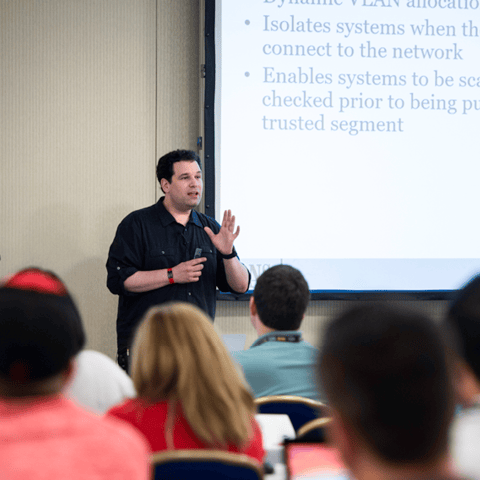
Bryan Simon: Teacher Standing Next to Smartboard and Explaining Concept

Get feedback from the world’s best cybersecurity experts and instructors
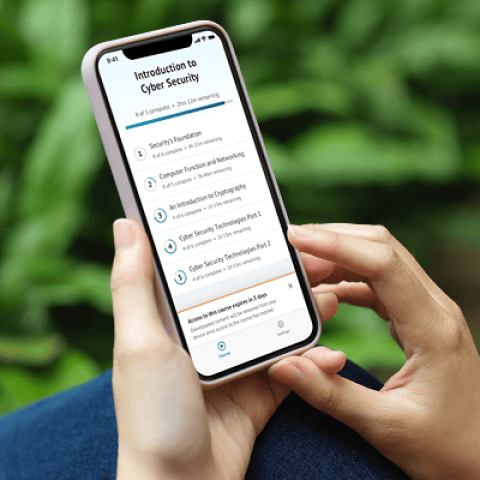
OnDemand Mobile App

Choose how you want to learn - online, on demand, or at our live in-person training events

Close Up of Woman Holding a Pen and Documents

Get access to our range of industry-leading courses and resources