SEC536: Adversarial AI - Penetration Testing AI Systems
SEC536Offensive Operations










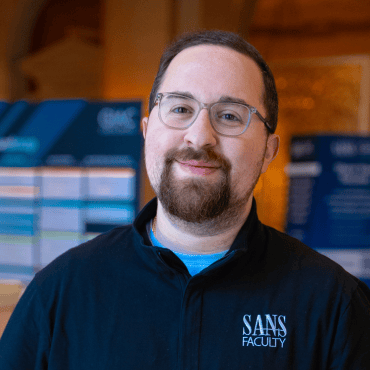
Eric Johnson is a Fellow at the SANS Institute and Principal Security Engineer at Puma Security. He leads hands-on training in SEC540: Cloud Native Security and DevSecOps Automation, co-authors SEC549 and SEC510, and develops open-source tools to help practitioners secure cloud pipelines.
Microservices and AI workloads demand deeper visibility. In Part 4, learn how to use OpenTelemetry and Kong Gateway to collect metrics, logs, and traces in Kubernetes - build dashboards, monitor traffic, and detect attacks in real time.

Endpoint Detection and Response (EDR) has become the backbone of modern security programs—and for good reason.

Move beyond chat-based AI. This session shows how agentic AI can automate cloud security workflows, mapping Copilot CLI concepts to real use cases like Terraform compliance, CIS benchmarks, and detection validation.

Zero-downtime patching is critical in cloud-native environments. In Part 5, learn how to use kubectl-ai and Kubernetes blue/green and canary deployments to roll out updates, reduce vulnerability windows, and maintain continuous service availability.

Join the 5th annual SANS Cloud Security Exchange—a one-of-a-kind virtual event where cloud and cybersecurity experts from SANS Institute, Amazon Web Services, Google Cloud, and Microsoft will come together to share thought leadership and technical insights.
SANS 2026 Cloud Security Exchange Summit Solutions Track delivers a focused look at the tools, architectures, and operational strategies driving secure and resilient cloud environments across AWS, Google Cloud, and Microsoft Azure.

This session focuses on AI coding guardrails: practical, developer-friendly controls that help teams adopt coding assistants with confidence while maintaining strong security, governance, and assurance.

The 2026 SANS Cloud Security Research Survey brings together insights from security leaders and practitioners worldwide. This year’s study examines the current state of cloud security, highlighting key challenges, top threats, and the tools organizations are using—or wish they had—to secure cloud environments at scale. Join us for this exclusive webcast to explore the survey findings, gain practical insights, and benchmark your organization’s approach to cloud security.






SANS Cloud Security Exchange Summit & Training 2026 brings together real-world user experiences and case studies, and practical, technical training oriented on specific approaches and skills for building and maintaining a secure cloud infrastructure.